The ongoing discussions surrounding officiating decisions at the 2026 World Cup highlight critical issues about fairness and consistency within FIFA's regulatory framework. Two separate incidents involving Argentina's Lionel Messi and US striker Folarin Balogun have sparked a conversation about the implications of star power and political influence in sports governance.
The Messi Incident: A Missed Call
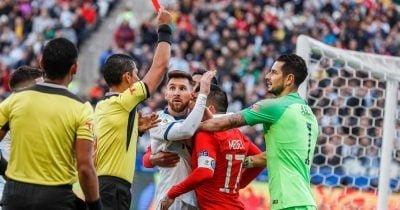
On June 17, 2026, during a match between Argentina and Algeria, Messi's challenge on Aïssa Mandi was deemed controversial after the referee opted not to issue a red card, despite analysts labeling the tackle as deserving of immediate expulsion from the game. The outcome was significant: Messi stayed on the field, scored a hat-trick, and contributed directly to Argentina's 3-0 victory. This pivotal moment raises questions about the consistency of officiating in high-stakes matches, particularly when a player of Messi's stature is involved. The apparent leniency extended to him is troubling and casts a shadow over the integrity of match officiating.
The Balogun Case: Political Interference
In stark contrast, Balogun received a red card that typically would have led to suspension but was overturned following intervention from then-President Donald Trump. This unprecedented move by FIFA underscores a troubling narrative about how power dynamics can influence rule enforcement in sports. The implications are profound, reflecting a system where the rules appear adjustable based on the player’s national or market significance. Such cases suggest that FIFA's governance may not only be about maintaining competitive balance but also about appeasing powerful stakeholders.
- Messi's non-call led to an unchallenged performance, raising doubts about officiating integrity.
- Balogun's suspension reversal reveals potential political manipulation in FIFA's disciplinary processes.
These incidents collectively paint a concerning picture for the tournament, where the discrepancy in rule application based on player status raises fundamental questions about fairness in sports at large. The combination of a missed call during a critical moment of the match involving global icons like Messi, paired with political maneuvers to alter disciplinary outcomes, creates a narrative that could erode public trust in FIFA. As the tournament progresses, the need for transparent and equitable officiating becomes increasingly paramount, not just for the integrity of FIFA, but also for the future of the sport itself.
This article is for informational purposes only and should not be considered financial advice.