Revolut's decision to delist Tether (USDT) for its European Union users, effective August 31, marks a significant shift in the landscape of cryptocurrency trading in Europe. This move is directly linked to Tether’s choice to forgo seeking authorization under the EU’s Markets in Crypto-Assets (MiCA) regulation, a crucial framework designed to safeguard consumers and create a more robust financial ecosystem.
Impact of MiCA on Stablecoin Regulation
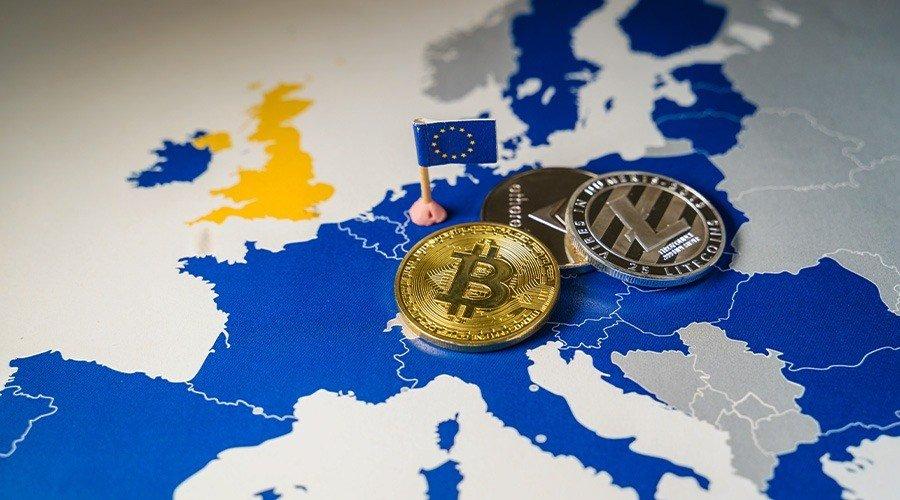
The MiCA regulation, which has been in full effect since July 1, 2026, is intended to provide a comprehensive regulatory environment for crypto assets in Europe. With the addition of 280 licensed providers, it signifies a tightening of market oversight and underscores the EU's commitment to establishing a safer cryptocurrency environment. By opting out of this regulatory framework, Tether not only limits its market access but also raises questions about its operational integrity and long-term viability in regulated markets.
The Implications for Tether and Competitors
The ramifications of Tether's withdrawal extend beyond its immediate trading capabilities. The firm faces ongoing scrutiny regarding its audit practices, highlighted by persistent criticisms around its failure to undergo a full independent audit since 2017. This lack of comprehensive oversight could hinder Tether's future attempts at MiCA compliance, further isolating it from one of the largest economic regions in the world. In comparison, Circle's USD Coin (USDC) has successfully maintained its MiCA authorization, solidifying its position as a trusted alternative amid Tether's exit.
Shifting Market Dynamics
The delisting by Revolut can foster a notable shift in the European stablecoin landscape. As USDT withdraws from regulated platforms, USDC is well-poised to capitalize on the vacuum created by Tether’s absence. This shift could lead to increased adoption of USDC, particularly among users who prioritize regulatory compliance and the reassurance it provides.
- Revolut will cease new USDT deposits starting July 30.
- Users can sell or withdraw USDT until August 31.
- Remaining balances will convert to fiat at prevailing market rates post-August 31.
This transition not only reflects a broader trend of regulatory compliance in the crypto sector but also emphasizes the importance of consumer awareness in navigating these changes. For investors and traders, particularly those in Europe, it is essential to reassess stablecoin choices in light of these regulatory shifts and the potential implications for liquidity and stability.