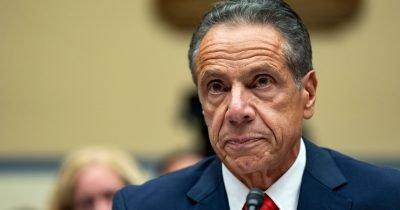
The recent push by bipartisan US lawmakers for stricter sanctions against Russia marks a significant shift in US economic policy, particularly in its implications for the cryptocurrency sector. During a NATO summit on July 7, 2026, lawmakers confronted Treasury Secretary Scott Bessent, emphasizing the need for more robust measures to counter Russia's wartime economy.
Why This Matters for Investors
This confrontation signals a growing recognition among US lawmakers that existing sanctions may not be sufficient to deter Russia’s aggressive economic tactics. As inquiry intensifies, the implications for American economic policy and global cryptocurrency practices loom large. Lawmakers have expressed concerns regarding the previous administration's granting of temporary waivers on certain sanctions, suggesting a less stringent enforcement that could inadvertently aid the Russian economy.
- Bipartisan resolution introduced by Representatives Fitzpatrick, Bacon, and Meeks.
- Proposed tariffs of up to 500% on Russian imports through the Peace Through Strength Against Russia Act.
- Concerns about the enforcement of oil sanctions dating back to March 2026.
Increasing pressure for transparency and enforcement will likely extend beyond traditional markets into the realm of digital assets. As the Treasury Department's Office of Foreign Assets Control (OFAC) has actively pursued cryptocurrency firms for violations, there is a palpable fear that as enforcement ramps up, increased scrutiny will fall on crypto firms potentially enabling sanction evasion.
Potential Market Effects and Legislative Developments
The potential passage of the Peace Through Strength Against Russia Act and new enforcement policies from the Treasury could create a more challenging environment for crypto firms operating in or connected to less stringent jurisdictions. Investors ought to remain vigilant as developments unfold, particularly regarding:
- The progress of the Peace Through Strength Against Russia Act through congressional committees.
- The issuance of new guidance from the Treasury regarding the enforcement of digital asset sanctions.
As a result, a tighter sanction regime would likely lead to higher volatility in cryptocurrency markets, particularly for firms that might face greater regulatory scrutiny. Investors should stay alert to how these geopolitical tensions may influence market sentiment and operational challenges in the crypto space.
Looking Ahead: Key Developments to Watch
The debate surrounding sanctions is rapidly evolving and will inevitably impact cryptocurrency markets and participants. Market observers should prioritize watching the progression of the proposed sanctions legislation and the potential issuance of updated enforcement guidelines from the Treasury. While the geopolitical landscape continues to complicate the regulatory environment, the outcomes could redefine the intersection of economic policy and cryptocurrency.
Disclaimer: This material is for informational purposes only and is not financial advice.