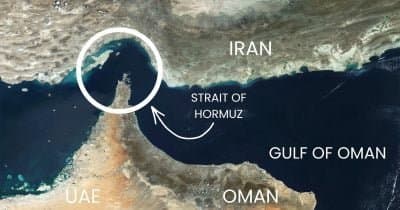
The recent disclosure from Iran's foreign ministry spokesperson reveals a significant diplomatic development concerning the Strait of Hormuz, one of the world's most crucial waterways. Iran's efforts to collaborate with Oman on a joint mechanism in the strategically vital region have faced impediments due to U.S. pressure on Oman. This scenario unfolds against the backdrop of heightened tensions between the U.S. and Iran, particularly after Iran's attempts to restrict commercial shipping through the Strait.
Such strategic maneuvers by Iran can be interpreted not merely as a regional power play but as an assertion of influence over key maritime routes, directly challenging U.S. claims for unfettered passage. The Strait of Hormuz is traversed by a significant percentage of the world's oil shipments, making its security paramount for global energy markets. Thus, any disruption in negotiations or increased tensions in this region poses potential threats to oil supply stability and could trigger market volatility.
Market Reactions and Changing Odds
The financial implications of the ongoing diplomatic tension are already manifesting. The market's assessment of the likelihood of a U.S.-Iran peace talk has declined markedly, with current odds dropping to 32.5% for a diplomatic meeting by the end of July 2026, down from 36% the previous day. Furthermore, the chances of a meeting occurring by July 17, 2026, are even more grim, sitting at just 8%. This downward trend signals to investors a growing skepticism regarding the prospects for immediate diplomatic progress.
This market sentiment reflects the perception that U.S. pressure on Oman is a formidable barrier to achieving a diplomatic breakthrough. As Oman plays a crucial intermediary role in the region, its position becomes more delicate under U.S. influence, which may deter it from fully engaging with Iran in ways that could alleviate tensions.
Looking Ahead: Implications for Regional Stability
As observers closely monitor the evolving U.S. and Iranian diplomatic strategies, the stakes remain high. Any alterations in the diplomatic postures of either country or shifts in Oman’s stance could have profound implications for market stability and geopolitical dynamics. Additionally, the potential for escalating tensions in the Strait of Hormuz continues to loom, with a possibility that even minor incidents could cause a ripple effect across global oil markets, reminiscent of past crises.
In conclusion, the current deadlock in negotiations not only complicates immediate diplomatic endeavors but also casts a shadow over future interactions in the region. The intricate interplay of U.S. influence and Iranian aspirations demands vigilant attention as developments unfold, with substantial ramifications for global economic stability.
This material is informational and does not constitute financial advice.