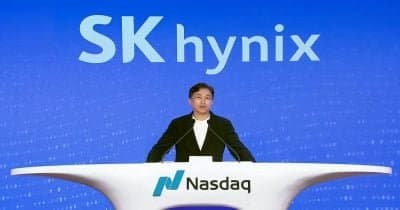
On July 10, SK Hynix made a striking entry into the Nasdaq, with its American depositary receipts trading under the ticker SKHY. This debut was marked by a staggering $26.5 billion share offering that saw more than 7 times oversubscription, indicating a powerful retail investor appetite for exposure in the AI hardware sector.
The AI Supply Chain's Unforeseen Importance
What sets SK Hynix apart is not merely its participation in the AI enthusiasm but its substantial 56.4% share of the global high-bandwidth memory market. This specialized memory type is crucial for AI accelerators, functioning like the fuel for high-performance graphics units such as those produced by NVIDIA, a major customer of SK Hynix. Thus, SKHY serves as an indirect investment in the wider AI hardware supply chain, making it an attractive option for retail traders eager to capitalize on the AI boom.
Implications of Long-Term Contracts
Another key aspect of SK Hynix's business model is its commitment to HBM production through long-term contracts extending to at least 2028. This guarantees sustained revenue, addressing immediate supply chain concerns. However, it also raises questions about flexibility; if demand shifts, the company may face challenges adapting to changing market conditions. Retail traders scrambling for options on SKHY should consider these potential pitfalls, especially as the memory chip market is notoriously cyclical.
Market Sentiment and Future Risks
The heavy oversubscription of SK Hynix’s offering reflects a broader market sentiment where investors are keen to embrace opportunities tied to AI hardware providers. The anticipated options trading beginning July 14 is expected to draw significant volume, particularly from retail investors known for pursuing high-implied-volatility opportunities in the AI sector. However, while the enthusiasm is palpable, it is essential to remain cautious; retail fervor can sometimes outstrip the underlying fundamentals. Although SK Hynix has impressive market share, the cyclical nature of the memory chip industry and the potential for long-term contracts to become burdensome must not be overlooked.
This material is for informational purposes only and should not be considered financial advice.