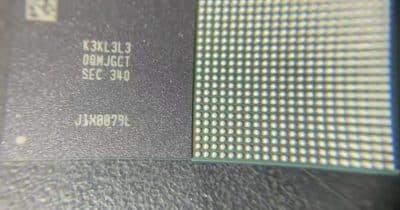
SK Hynix, recognized as the world's second-largest memory chip producer, has unveiled plans for a monumental American depositary receipt (ADR) listing on Nasdaq, targeting approximately $28 billion in net proceeds. This event marks one of the largest foreign company listings in U.S. history, driven largely by the explosive demand for artificial intelligence (AI) technologies.
The Significance of the Listing
With a designation to issue around 17.79 million new shares, where each ten American depositary receipts will correspond to one common share, the trading for this major offering is likely to commence as soon as July 10, 2026. This presents U.S. investors with a rare opportunity to invest directly in a firm commanding over 60% of the high-bandwidth memory (HBM) market.
Context of Demand in AI Infrastructure
Recent advancements in AI technology have placed immense strain on memory production capabilities, making SK Hynix's offerings critically important. NVIDIA, a leader in AI hardware, particularly GPUs necessary for AI training, relies significantly on SK Hynix’s memory solutions. The recent multiyear partnership between the two companies, announced in June 2026, aims to develop next-generation AI memory technologies.
Implications for Market Dynamics
The upcoming Nasdaq listing is set against the backdrop of substantial gains in SK Hynix’s share price this year on its home exchange in Seoul a trend reflective of broader market enthusiasm for semiconductors amid heightened AI investment. A successful entry into the U.S. market will unlock avenues for institutional capital not easily accessible on traditional Korean exchanges.
With an influx of $28 billion, SK Hynix is well-positioned to accelerate its production capabilities, focus on cutting-edge HBM technology, and pursue strategic acquisitions. This is pivotal for a company that already dominates a critical component of the AI infrastructure.
Investor Considerations
However, this concentration of power raises significant risks for the AI sector. With SK Hynix holding over 60% of the HBM market, any disruption in its operations could have cascading effects across companies engaging in AI product development. Moreover, close surveillance of the collaboration with NVIDIA is warranted, as choices made in developing next-gen memory technology will significantly affect the feasibility of various AI workloads.
As the landscape of AI technologies continues to evolve, the implications of SK Hynix's market strategies and operational decisions may set the tone for the semiconductor sector as a whole. Investors should therefore remain vigilant about how this massive offering shapes competitive dynamics in the AI space.