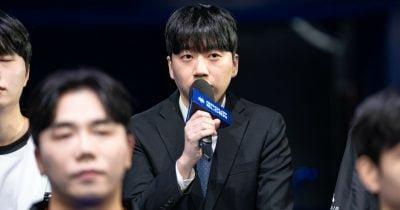
The esports landscape continues to evolve, and the recent four-year contract extension of coach Go Dong-bin, known as Score, with KT Rolster through 2029 serves as a significant indicator of this trajectory. As organizations increasingly focus on long-term commitments, Score's position at KT Rolster not only solidifies his influence within the team but also highlights a broader trend towards stability in the Korean esports scene.
Initially appointed head coach of KT Rolster in November 2024, Score’s past successes at Gen.G laid the foundation for this new role. His tenure is critical as KT Rolster, one of the nation's most respected organizations since its inception in 1999, aims to build a championship team capable of competing at the highest levels. In recent times, securing long-term contracts has been crucial in fostering team cohesion and retention of top talent, as seen previously with the star player Faker, who also extended his contract with T1 until 2029.
The Corporate Backing of KT Rolster
Unlike many crypto-backed teams that have embraced a tumultuous pathway involving NFTs and Web3 initiatives, KT Rolster's stability is underpinned by traditional corporate support from Korea Telecom. This backing allows the organization to focus on what truly matters: cultivating a strong team and infrastructure around Score. The recent decision to renew contracts for additional coaching staff such as Museong and S0NSTAR further reflects a commitment to a cohesive strategy, something that many teams in esports struggle to achieve amid the fast-paced changes in the industry.
Implications for the Esports Industry
The long-term vision demonstrated by KT Rolster may set a precedent for other esports organizations, especially in Korea, where pressure to deliver immediate results often leads to high turnover rates among players and coaches. As stability becomes increasingly valued, it could prompt other teams to reassess their strategies and invest in long-term relationships, rather than seeking quick fixes. Such shifts would bear significant consequences for the competitive landscape and funding models prevalent in esports.
In conclusion, Score’s extension not only reinforces his role in guiding the team's direction but signals a potentially transformative shift in how esports organizations prioritize stability and infrastructure a strategy that could attract more investors willing to invest long-term in the scene.
This material is informational and should not be considered as financial advice.