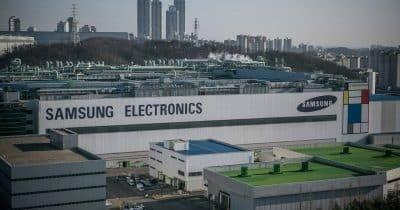
Samsung Electronics recently released its Q2 2026 earnings report, showing an extraordinary operating profit surge of 1,810%, yet the market responded with a notable sell-off. This juxtaposition raises critical questions about investor sentiment and market expectations within the rapidly evolving tech landscape.
Why This Matters for Understanding Market Dynamics
The sharp stock decline of Samsung, despite its record-setting earnings, highlights key concerns for investors. The reaction suggests that even stellar financial performances can fail to meet elevated market expectations, particularly in sectors driven by Artificial Intelligence (AI). The sell-off became evident as:
- Samsung's reported operating profit reached KRW 89.4 trillion (approximately $58.5 billion).
- Revenue soared to KRW 171 trillion ($111.8 billion), surpassing analyst estimates.
- Intraday stock prices plummeted by 7.9%, falling below KRW 300,000.
Investors exhibited a tendency to 'sell the news,' indicating that prior stock price rallies, fueled by optimism about AI-driven growth, had already priced in these gains. As a result, the market reacted negatively, suggesting that expectations for future AI-related expenditures are under scrutiny. Furthermore, a decline in AI data center spending could have broader implications, particularly affecting demand for memory chips that drive Samsung's profits.
Potential Implications for the Tech Sector
Samsung's semiconductor division, an essential player in the global market for High-Bandwidth Memory (HBM) and premium chip products, continues to experience surges in profit, fueled by ongoing investments from major tech companies in AI infrastructure. However, the recent stock decline raises alarms about a potential shift in market sentiment. Analysts suggest that the current sell-off might reflect broader investor apprehension regarding the sustainability of the AI boom. The dynamics of competition between Samsung and SK Hynix, who collectively dominate HBM production, also warrant attention as changes in market forces could further influence profitability.
What to Watch Going Forward
As the market reacts to Samsung's earnings, investors should monitor several critical areas:
- Trends in AI spending by tech giants like Microsoft, Google, and Amazon, particularly how this impacts demand for memory chips.
- Further reactions from the KOSPI index, particularly concerning semiconductor stocks and their performance.
- Potential adjustments in market forecasts as analysts re-evaluate future growth in light of current earnings reports.
Ultimately, the future trajectory of both tech and cryptocurrency markets may hinge on how investors reconcile expectations with actual performance, especially in sectors heavily influenced by rapidly evolving technologies.
This material is for informational purposes only and does not constitute financial advice.