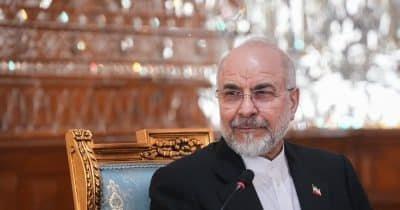
The recent condemnation by the Iranian Parliament Speaker, Mohammad Bagher Ghalibaf, against the United States and Israel marks a significant moment in the ongoing geopolitical tensions in the region. Ghalibaf's remarks come at a time when violations of the Israel-Lebanon ceasefire, established on April 16, 2026, are rampant, suggesting a turning point in Iran's regional engagement strategy.
Why This Matters for the Global Landscape
Ghalibaf’s statements signal a potential shift towards a more aggressive stance from Iran against US and Israeli interests, which could have far-reaching implications for regional security dynamics. The context of this escalation coincides with the broader 2026 Lebanon war, characterized by intense military engagements and severe humanitarian impacts.
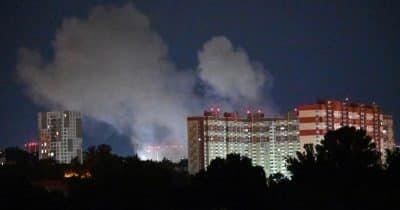
- Military actions are increasing, with a noticeable uptick in violence.
- Market analysis indicates a 1.5% rise in the probability of Israel closing its airspace, with the July 31, 2026, sub-market at 7.5% YES.
- The likelihood of reaching a permanent peace agreement between Israel and Iran sits at a meager 2%, reflecting widespread skepticism.
This sustained tension poses an immediate threat to not only local populations but also to global financial systems, as volatility in geopolitical hotspots often reverberates throughout the markets.
What to Monitor Going Forward
Observers should closely watch official responses from the US and Israel, as any actions taken may either exacerbate or mitigate the ongoing tensions. Increased activity from Iranian missile forces or Hezbollah could heighten the probability of Israeli airspace closures, while simultaneous diplomatic initiatives may lead to de-escalation. Key figures such as Israel’s Defense Minister Yoav Gallant and Iran’s Supreme Leader Ali Khamenei are pivotal in shaping future developments in this volatile environment.
This material is for informational purposes only and does not constitute financial advice.