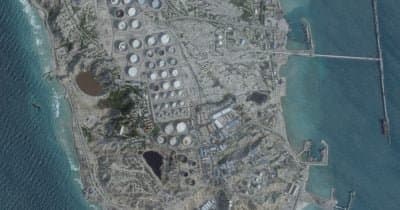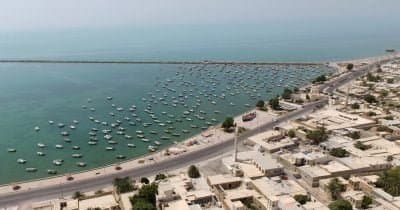
Reports of explosions in Bandar Abbas and Qeshm, critical maritime hubs near the Strait of Hormuz, have surfaced, raising concerns over regional stability and shipping traffic. These incidents occur against the backdrop of heightened tensions between Iran and the United States, despite a ceasefire declared in April 2026. The Strait of Hormuz remains a pivotal point for global oil transport, with a significant portion of the world's oil supply traversing its waters. The military significance of Bandar Abbas, home to Iran's conventional navy and the Islamic Revolutionary Guard Corps (IRGC) naval unit, further complicates the scenario.
Market analysts have noted a notable shift in investor sentiment following these explosions. The likelihood of a return to normal maritime traffic by December 31 has plummeted, with current pricing indicating only a 62.5% probability of resuming typical operations. This reflects a marked decrease from previous assessments, highlighting growing concerns over ongoing hostilities in the region. The presence of military assets and continued tensions may result in extended disruptions, potentially impacting global oil prices and supply chains.
Investors and market observers are closely monitoring official communications from both the Iranian and US military leaders, as these statements could significantly influence market perceptions and the trajectory of the situation. Any announcements regarding military exercises or renewed diplomatic engagements will be critical in shaping expectations for maritime traffic in the Strait. Additionally, developments such as further hostilities or peace negotiations could serve as key indicators of future market movements and risk assessments.
The current situation underscores the fragile nature of stability in this vital maritime corridor and its potential ripple effects on global markets. As the geopolitical landscape continues to evolve, stakeholders in the oil and shipping sectors remain vigilant, preparing for potential fluctuations in supply and demand driven by these developments.
This material is informational and should not be considered financial advice.