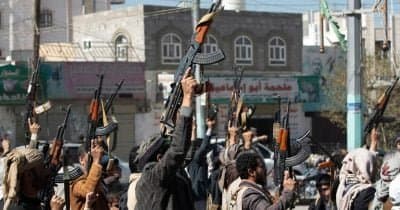
The recent exchange of strikes between Saudi Arabia and the Houthi forces marks a significant escalation in an already volatile conflict. Saudi warplanes targeted Yemen's Sanaa International Airport, preventing an Iranian aircraft carrying Houthi representatives from landing. In retaliation, the Houthis launched six missiles at Abha airport in Saudi Arabia. This incident is emblematic of the long-standing tensions that have characterized the Saudi-Houthi conflict since 2015, yet it also reflects a possible shift in regional power dynamics.
Context of the Escalation
Since the establishment of a truce in 2022, the region had experienced a period of relative calm, making this sudden uptick in hostilities particularly noteworthy. Senior Houthi official Hizam al-Assad's acknowledgment of these events highlights the ongoing volatility in Yemen, where the intersection of local grievances and broader regional rivalries continues to play a central role. The involvement of Iranian assets in this situation suggests that Tehran's influence in the region remains potent, despite domestic challenges facing the Iranian regime.
Market Implications
The ramifications of these strikes extend beyond immediate military concerns. Market analysts are increasingly speculating about the potential stability of the Iranian regime, as evidenced by heightened pricing in markets reflecting fears of a regime collapse. This speculation is indicative of the regional risks that could arise from ongoing geopolitical tensions. Furthermore, the incident raises the prospect of renewed cross-border strikes, which could disrupt economies that are already sensitive to Middle Eastern geopolitical events.
Future Developments to Monitor
As observers look ahead, the responses from key players like Iran and Saudi Arabia will be crucial in shaping the trajectory of the conflict. Any further military actions or diplomatic negotiations could signal whether this escalation is a fleeting incident or the beginning of a more prolonged period of instability. Notably, the situation also has implications for airspace policies, particularly concerning the “Iran Full Airspace Closure” market, which could be affected by changes in Iranian air travel regulations.
This material is informational and not financial advice.