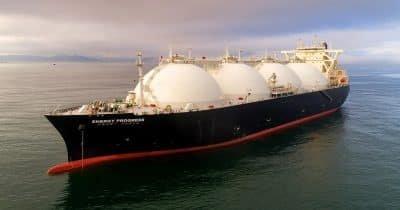
The recent incident involving the Q-Flex LNG carrier, the AL REKAYYAT, which was struck by an unidentified projectile near the Strait of Hormuz, marks a significant point of concern for global energy supply chains. While the vessel reported no casualties, the nature of the cargo liquefied natural gas presents a different risk profile, underscoring the fragility of maritime routes that are vital for energy transport.
Understanding the Stakes
The attack brings to the forefront the political instability surrounding one of the world’s most critical chokepoints for energy. The Strait of Hormuz is responsible for approximately one-fifth of global oil passage and a substantial volume of LNG shipments. The implications of such an event extend beyond immediate concern for the vessel’s safety, impacting global energy markets and potentially crypto markets that are sensitive to commodity price fluctuations.
- The attack occurred just weeks after a ceasefire agreement between the U.S. and Iran.
- The AL REKAYYAT has a substantial capacity of around 216,000 cubic meters of LNG.
- Rerouting the Q-Flex carrier could lead to significant delays and increased fuel costs.
Furthermore, the attack is symptomatic of ongoing tensions in the region, likely involving the Iranian Revolutionary Guard Corps (IRGC). With a backdrop of rising insurance premiums and heightened war risk assessments for vessels operating in these waters, the significance cannot be understated. This incident could also trigger further volatility in oil and gas prices, affecting investor sentiment.
Future Implications for Investors and Markets
As energy markets brace for potential rerouting and increased shipping costs, one must consider how this will influence not just oil and gas prices but also secondary markets, including cryptocurrencies that often react to significant geopolitical events. Prolonged instability in such a crucial region may lead to a broader reassessment of risk in energy investments and related crypto assets.
In the coming weeks, the market’s reaction to any further escalation will be critical, particularly as companies reassess shipping routes. Investors should keep a close eye on shipping costs, insurance premiums, and geopolitical developments, as these factors could impact investment strategies in both traditional and crypto markets.
What Lies Ahead?
As this incident illustrates the ongoing volatility in the Gulf region, closer monitoring of upcoming developments is essential. Market participants should watch for any announcements regarding military responses or additional ceasefire developments that could influence regional stability. Furthermore, investors might want to prepare for adjustments in pricing dynamics in energy sectors and related financial instruments.
This material is for informational purposes only and does not constitute financial advice.