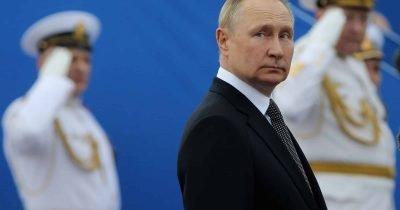
In a recent statement, Russian President Vladimir Putin asserted that Ukraine's attempts to undermine Russia by targeting its energy infrastructure would be ineffective. This claim, made during a meeting with government officials, highlights Putin's intent to project stability during a period marked by heightened military tensions, as Ukraine strategically aims to debilitate the Russian war economy through continued energy strikes.
Understanding the Significance of Putin's Assertion
The implications of Putin's confidence are profound. By downplaying the potential impact of these energy attacks, the Russian government seeks to maintain public assurance and discourage panic among its citizens. More importantly, it signals to global markets that Russia perceives its economic structure as resilient against outside pressures. This perspective may influence traders' outlooks regarding potential ceasefire negotiations amid ongoing conflict.
- Putin claims Ukraine's attacks will not disrupt the Russian economy significantly.
- The likelihood of a ceasefire appears to be diminishing, with forecasts dropping from 42% to 41%.
- These remarks suggest a lack of urgency in Russia's approach to ceasefire talks, reflecting an expectation of sustained conflict.
Potential Market Reactions and Future Implications
The financial markets are likely to respond to Putin's comments by reassessing the probability of a ceasefire agreement. The decrease in forecasted likelihood for such an agreement indicates that investors may be bracing for prolonged conflict, which could have a knock-on effect on energy prices and geopolitical risk premiums.
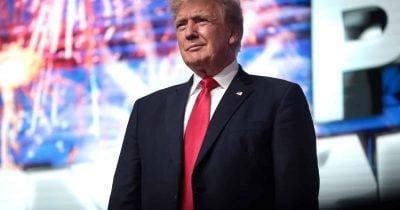
Traders and analysts will be closely observing developments in military operations and any statements from key political figures, such as U.S. President Donald Trump and Ukrainian President Volodymyr Zelensky, to gauge how these factors will shape market sentiment. Additionally, shifts in military strategy or diplomatic outreach could significantly alter perceptions and expectations regarding negotiations.
Looking Ahead
As the situation evolves, market watchers will need to focus on several critical factors, including potential changes in military engagements and how they might impact energy infrastructure security. Observers should also remain alert to new diplomatic efforts that may attempt to break the current deadlock. Following developments in this conflict will be crucial for investors as the landscape remains fluid and unpredictable.
This material is for informational purposes only and does not constitute financial advice.