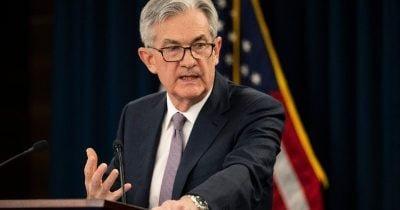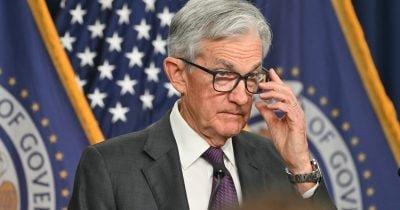
The Federal Reserve's recent monetary policy report has drawn attention to a confluence of factors that are contributing to the persistence of inflation, which remains above its 2% target. This inflation is predominantly driven by tariffs, the ongoing conflict in Iran, and an ever-increasing wave of investment in artificial intelligence (AI). Each of these elements carries significant implications not only for traditional financial markets but also for the burgeoning cryptocurrency sector.
Understanding the Inflation Drivers
According to the Fed's findings, tariffs on imported goods continue to exert upward pressure on prices. This is compounded by supply chain bottlenecks resulting from geopolitical tensions, particularly the conflict with Iran. Furthermore, the surge in capital expenditures directed towards artificial intelligence projected to surpass $1 trillion in 2026 has intensified demand within critical sectors such as computing infrastructure and energy. As a result, the inflationary environment shows no sign of alleviation, putting stress on consumer purchasing power and investment strategies.
The Fed's Stance and Its Ramifications
Despite these inflationary pressures, the Federal Reserve has chosen to maintain its interest rates in a band between 3.5% and 3.75% since December 2025. The latest projections indicate an inflation rate of 2.7% by the end of the year, which, while indicating some moderation, still reflects significant overshooting of the Fed's targets. This enduring state of elevated rates translates to a more complicated landscape for risk assets, particularly cryptocurrencies. The price dynamics in crypto are impacted as higher yields on traditional investments, like Treasury bills, become more appealing compared to non-yielding assets such as Bitcoin. This shift creates a notable opportunity cost for investors holding digital currencies.
- Key inflation drivers: tariffs, Iran conflict, AI spending
The result is a complicated picture for both traditional and digital asset investors, as the era of inexpensive capital appears firmly in the past. For those involved in crypto markets, the Fed's latest report underscores an increasing trend toward risk aversion, where institutional interest might dwindle in response to the comparative attractiveness of yield-bearing securities. When Treasury bills are offering returns above 3.5%, the incentives to engage with digital assets diminish, potentially leading to lower demand and price stagnation in the crypto space.
This article is for informational purposes and should not be considered financial advice.