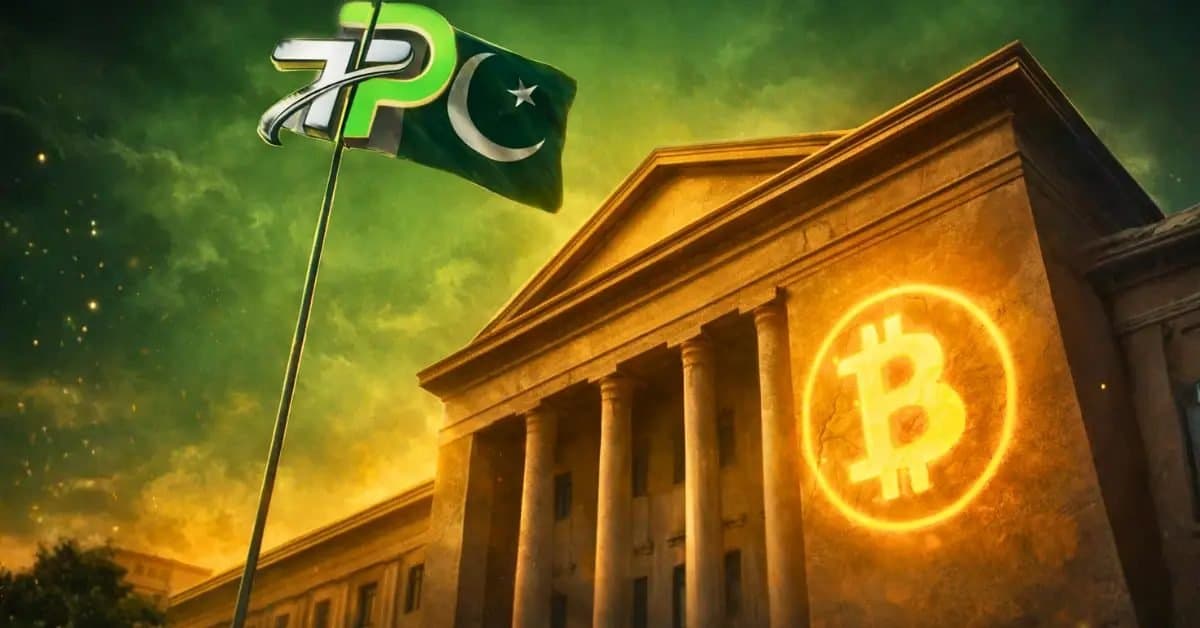
Pakistan's recent decision to end an eight-year ban on cryptocurrency banking marks a significant turning point in the country’s approach to digital assets. The Pakistan Virtual Assets Regulatory Authority (PVARA) is now actively engaging Islamic scholars to evaluate cryptocurrencies individually, rather than applying a blanket ruling. This nuanced approach follows a controversial ruling from a Karachi seminary that classified cryptocurrencies as not being considered wealth under Islamic law.
Such a shift opens a path for 27 million potential users in Pakistan to access crypto markets legally. It is crucial to recognize how this move contrasts with the previous stringent regulations that effectively barred digital asset transactions. By encouraging diverse interpretations of cryptocurrencies, the PVARA is not only moving towards a more inclusive regulatory framework but also fostering a potentially thriving crypto ecosystem.
Understanding the Implications of Individual Assessments
The call for individual assessments of digital assets raises several key questions about the future of cryptocurrency in Pakistan. Will this lead to a more favorable environment for innovation and investment? Or could it create confusion among investors and users as different interpretations emerge? The Islamic scholars' evaluations could result in a spectrum of opinions, potentially leading to a patchwork of regulations that vary by asset.
This scenario presents both opportunities and challenges. On one hand, a favorable ruling on certain cryptocurrencies could boost their adoption significantly, creating new avenues for investment and economic growth. On the other hand, inconsistency in rulings might deter institutional investors who prefer clear and solid regulatory frameworks. This uncertainty could hinder the development of a cohesive market, reminiscent of the broader struggles faced by the crypto industry in regions with unclear regulations.
Potential Market Reactions and Future Prospects
The immediate market reaction to Pakistan's regulatory shift remains to be seen. However, the end of the ban could catalyze increased trading volumes and attract international interest. Investors should closely monitor responses from local exchanges and the global crypto market for signs of increased liquidity and engagement.
Additionally, the implications of this regulatory change extend beyond Pakistan. As other countries observe this development, it may inspire similar reforms in regions where cryptocurrencies are still heavily restricted. The global crypto landscape is continuously evolving, and moves like this could accelerate adoption in areas that have been hesitant due to regulatory fears.
This material is for informational purposes only and does not constitute financial advice.