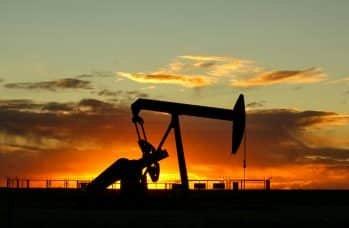
The recent decision by OPEC, in conjunction with its allies, to increase oil production by 188,000 barrels per day (bpd) signifies more than just a simple adjustment in output; it reflects broader market dynamics and geopolitical considerations. This marks the fourth consecutive month that OPEC has opted for production boosts, a gradual unwinding of the voluntary cuts initiated in April 2023. This raises essential questions regarding the ongoing strategy of OPEC amidst perceived market volatility.
Understanding the Production Increase
The rationale behind this latest increase appears to stem from a necessity to stabilize the market while managing the inherent risks associated with oversupply. With the departure of the United Arab Emirates from the alliance earlier this year, OPEC's cautious approach is evident in this slightly moderated output increase compared to previous months. The production adjustment is crucial as OPEC navigates the tightrope of maximizing revenue while avoiding price crashes.
Market Reactions and Implications
From the perspective of market analysts, this OPEC decision is interpreted as an attempt to temper expected price surges amidst projections of a marginal surplus in oil supply this year. Oil prices, which have demonstrated a volatile nature, may experience moderated fluctuations as a consequence of these production adjustments. The current market data reflects diminished optimism regarding crude oil prices achieving a new all-time high by September 30, an indication that investor sentiment is becoming more cautious.
Looking Ahead: The August Meeting
As the upcoming OPEC meeting on August 2 approaches, stakeholders are keenly monitoring geopolitical trends and global demand forecasts that could influence future production decisions. These discussions may set the tone for how OPEC adjusts its strategies in response to the evolving landscape of global oil supply and demand. Whether the group will recalibrate its output mechanism in light of external pressures remains to be seen. Such shifts could significantly affect investor expectations and price trajectories in the oil market.
In conclusion, OPEC's recent production increases are not merely routine adjustments but rather calculated moves aimed at maintaining equilibrium in a fluctuating market. Observers should prepare for a period of heightened scrutiny and potential shifts based on the outcomes of the upcoming meeting and the broader geopolitical landscape.