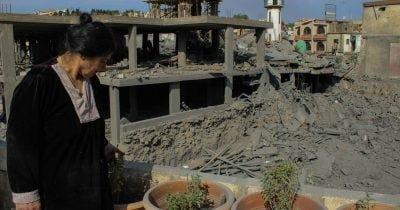
Israel's recent airstrike on Nabatieh al-Fawqa in southern Lebanon represents a significant escalation in the ongoing conflict with Hezbollah. The operation, executed with a drone as part of the 2026 Lebanon war, highlights the increasing tensions in a volatile region, compounded by a pattern of retaliatory attacks that re-emerged earlier this year.
The precision approach used in this drone strike is indicative of Israel's evolving military strategy, which aims to minimize troop involvement while maximizing operational impact against suspected militant targets. Such tactics have become more common in modern warfare, as nations leverage technology to conduct targeted operations with reduced risk to their forces.
Implications for Regional Conflict and Economic Stability
Despite the establishment of a Trilateral Framework aimed at promoting peace, the continuous military engagements suggest that lasting stability remains elusive in this area. The escalation not only heightens military activity but also raises significant concerns regarding market stability. Investors and traders are likely to be wary, as the potential for broader conflict could disrupt airspace operations and impact regional economic activities.
Market Reactions and Future Trends
Market reactions following the airstrike indicate a growing probability that Israel may impose an airspace closure. Such developments carry substantial implications for trade, travel, and investments in the region. Analysts are closely monitoring updates from key figures, including Israeli officials Miri Regev and Yoav Gallant, regarding airspace status.
This situation is fluid, and signals of further escalations, such as additional retaliatory actions by Hezbollah, could significantly influence market sentiments and decisions. Investors should remain vigilant, as the intensity and duration of hostilities may lead to rapid fluctuations in market conditions.