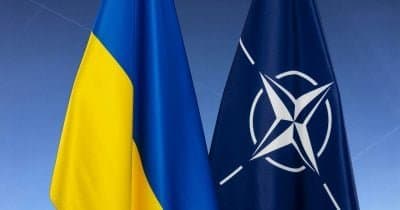
NATO’s European allies are taking proactive steps to brace for potential military threats from Russia, reflecting a significant shift in the geopolitical landscape. With concerns mounting regarding the reliability of U.S. support under the current administration, NATO’s heightened readiness indicates a move towards self-reliance among its European members.
The backdrop of this strategy is the ongoing tension following Russia’s invasion of Ukraine, leading to unprecedented warnings from the Kremlin about the risk of a direct confrontation with NATO. As a result, European nations are recalibrating their military readiness. Notably, Germany has shown particular willingness to engage independently, signaling a broader trend among NATO allies to prepare for operational readiness without waiting for U.S. endorsement or involvement.
Market Reactions to Geopolitical Shifts
The implications for market participants are profound. Current market behavior reflects an increasing perception of risk associated with a possible NATO-Russia military clash, which market analysts currently peg at a 16.5% chance of occurring by the end of 2026. This perception is fueled by NATO’s strategic pivot towards greater autonomy, which suggests that the probability of military conflict is becoming more tangible.
Future Considerations
As the situation evolves, observers are keenly watching for any diplomatic engagements that could reshape current perceptions. Significant announcements from NATO, shifts in Russian military directives, or changes in U.S. policy could all serve to dramatically influence market dynamics. Notably, the forthcoming deadline in December 2026 is likely to be a critical juncture for assessing NATO's cohesive response strategy amid these potential military threats.
- NATO's focus on increased readiness and independent operations
- Market estimates of a military clash now at 16.5% by year-end 2026
- Need for continuous monitoring of NATO-Russia diplomatic relations
This material is for informational purposes only and should not be considered as financial advice.