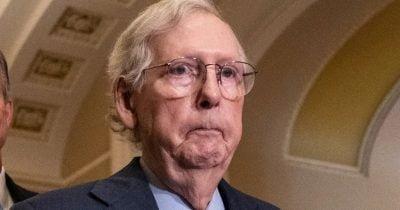
The recent request by Kentucky Governor Andy Beshear for Senator Mitch McConnell to disclose his health information highlights the growing concern regarding the senator's ability to serve effectively. After being hospitalized for over three weeks following an incident where he was discovered unconscious, McConnell's silence on his condition has intensified scrutiny not only from constituents but also among fellow lawmakers. With McConnell's impending departure from Congress in January, this situation raises significant questions about interim leadership and political continuity within the Senate.
Why This Matters
The situation surrounding McConnell serves as a litmus test for the current political climate. The lack of transparency regarding his health fosters uncertainty, which is notably felt within the markets that respond to political dynamics. Investors and market participants appear to intertwine McConnell's health status with the probability of his resignation, interpreting it as a signal of potential shifts in Senate control. Key data from recent market activity suggests:
- A 13-point increase in the probability of McConnell resigning before his term ends, now estimated at 60%.
- Access to McConnell's health details has implications for both market confidence and governance stability.
- How his situation unfolds could influence public perception and electoral strategies for 2024.
This set of circumstances underscores how personal health issues can complicate political landscapes, affecting everything from legislative outcomes to market behavior.
Looking Ahead
As the political environment remains fluid, observers will be closely monitoring any official communication from McConnell or his aides concerning his health. A prolonged absence or news of further health complications may increase the market's likelihood of a resignation outcome. Conversely, if McConnell announces a recovery or returns to the Senate, it could stabilize both market sentiment and the political framework. The coming weeks are pivotal in shaping expectations for both voters and investors alike.
This material is for informational purposes only and does not constitute financial advice.