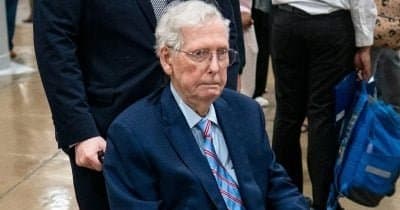
The unexpected health concerns surrounding Senator Mitch McConnell have raised significant questions about not only his future in the Senate but also the broader implications for political stability in the United States. At 84 years old, McConnell's hospitalization following an incident in June has sparked a growing wave of speculation, exacerbated by the lack of transparency regarding his medical condition.
Heightened Speculation and Market Reactions
As reports of a potential cardiac arrest emerge, market reactions increasingly reflect a growing apprehension regarding McConnell's ability to fulfill his duties. Recent analytics show that the likelihood of his resignation has surged from 50% to 56.5% within a mere 24-hour period. This shift in betting odds serves as a barometer for investors and analysts, reflecting the uncertainty that surrounds leadership in the Senate during a critical period for legislative action.
The Impact of Leadership Changes
McConnell's role as a senior Republican senator is particularly crucial given current legislative priorities and the political landscape. Any formal announcement regarding his health or potential resignation would not only have immediate repercussions on market pricing but also shift the balance of power within the Senate. A sudden leadership change could lead to a realignment of priorities and strategies, affecting ongoing discussions around critical issues including fiscal policy and foreign relations.
Observers are on high alert for any forthcoming statements from McConnell or his office that could clarify his health status. A decisive action such as resignation or a reassuring health update would likely influence market movements considerably. The intersection of health crises and political leadership is a reminder of how personal circumstances can ripple through financial markets and governance.
This material is for informational purposes only and should not be considered financial advice.