The decision by Singapore's Temasek investment fund to pivot away from cryptocurrency investments in favor of artificial intelligence marks a crucial moment in the landscape of institutional investment strategies. Citing significant losses from its previous crypto investments, including a notable $275 million write-off due to the FTX collapse, Temasek's shift reflects a broader trend among large investment firms reassessing their risk appetites in the volatile crypto market.
Why This Matters
The implications of Temasek's decision extend beyond its own portfolio. With a total fund valuation of approximately 518 billion Singapore dollars (about $400 billion), Temasek is a key player in the global investment community. Its move signals to other investors that cryptocurrency may not provide the reliable returns once anticipated, especially in light of mounting regulatory scrutiny.
- Temasek aims to increase its AI holdings from 6% to 15% of its portfolio by 2031.
- The firm is still coping with the impacts of the FTX disaster and the resulting regulatory environment.
- It remains cautious of AI valuations that have surged beyond fundamental business metrics.
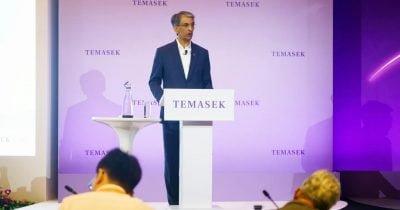
Temasek president Nagi Hamiyeh emphasized that while the AI investment cycle is still developing, it has significant long-term potential. However, he also qualified this optimism by noting that not every sector of AI is currently justifiable based on tangible metrics.
Wider Market Context
Temasek's transition highlights a critical point in the evolving relationship between institutional investors and crypto assets. The regulatory barriers arising from events like FTX are prompting a migration towards technologies perceived as having broader and more stable applications, such as AI. The Singapore Monetary Authority's (MAS) move toward stricter regulations after crypto failures illustrates the increasing caution among regulators, which could further deter potential institutional investments in the sector.
Despite distancing itself from direct crypto investments, Temasek maintains an interest in blockchain technology's potential to innovate the real economy. This duality emphasizes a cautious but exploratory approach, widening the gap between outright investment in volatile assets and fostering foundational technologies.
Looking Ahead
As Temasek ramps up its AI investments, the market should watch for responses from other institutional players, particularly those who have suffered in the crypto landscape. The future of AI in investment strategies seems brighter, yet the caution surrounding its valuations could lead to a characterized boom and bust cycle, similar to crypto’s own history. The key question remains: how will varying regulations shape the roles of these technologies in a balanced, future-facing economy?
This material is for informational purposes only and is not financial advice.