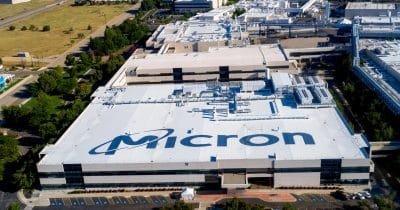
Micron Technology has commenced construction of a new semiconductor plant in Higashihiroshima, Japan, with an investment estimated between $9.3 billion and $9.6 billion. This facility aims to produce high-bandwidth memory (HBM) chips, a crucial component fueling the increasing demand for AI infrastructure across Asia.
The Implications of HBM in the AI Landscape
Micron's foray into HBM aligns with the growing necessity for advanced memory solutions in AI data centers, utilized by tech giants such as Microsoft and Meta. As AI technologies gain traction, the competition for high-quality memory becomes more pronounced. Currently, SK Hynix leads the market by supplying cutting-edge AI accelerators to Nvidia, with Samsung trailing closely behind. Micron’s ambitious expansion in Hiroshima reflects its drive to capture a larger share of this lucrative market.
Leveraging Historical Ties and Government Support
The Hiroshima site is not just strategically significant; it also holds historical relevance for Micron, as it was here that the company manufactured its first HBM wafer. This legacy may help expedite production scaling. Importantly, Micron's endeavor is supported by substantial Japanese government subsidies exceeding ¥500 billion (about $3 billion), which mitigates the financial risks associated with such a massive investment.
Japan's proactive approach to rejuvenating its semiconductor industry evident in the initiatives undertaken by local entities like Rapidus and TSMC’s new fabs positions the nation as a key player in the global chip supply chain. This is part of a broader strategy to enhance domestic production capabilities and reduce dependency on foreign suppliers.
Future Market Dynamics and Investor Insights
Micron is channeling nearly $10 billion into a project that will not yield chips until 2028, raising questions about its long-term competitiveness. The landscape is shifting, with rivals like SK Hynix enjoying a head start and deep ties to major players like Nvidia. Additionally, Samsung's push to catch up adds to the competitive pressures.
For investors, the government support significantly improves Micron's position. With about a third of the capital expenses subsidized, the financial feasibility of the project becomes more manageable. Keeping an eye on Micron's HBM market share in upcoming earnings reports will be critical to understanding its success in this competitive arena.
The rapid development in the semiconductor sector, driven by government initiatives and strategic partnerships, suggests a potential pivot in market dynamics that could reshape investment strategies in this space. For further context, readers might find insights in this article regarding the disruptive potential of new technologies across different sectors.