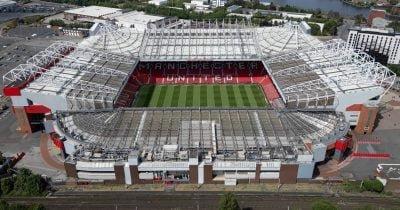
Manchester United's announcement of a £2 billion investment in a new 100,000-seat stadium near Old Trafford marks a pivotal moment in the intersection of sports and financial investment, particularly regarding the role of cryptocurrencies within this arena. As the club shifts focus from repairing its century-old home to planning a modern marvel, it reflects broader trends in sports financing and the growing significance of blockchain technology.
Why This Matters for Investors
The construction of a new stadium is not merely about bricks and mortar; it signals a significant investment in the future of sports infrastructure in the UK, following the trend of shifting financial strategies towards digital assets. Key facts about the stadium project include:
- The total cost is projected at approximately £2 billion (about $2.6 billion).
- The stadium will surpass Wembley Stadium, currently the largest in England, which accommodates around 90,000 attendees.
- Construction is expected to take around five years, bringing a new contender into the sports landscape.
The strategic location of the new stadium and the involvement of stakeholders like Trafford Council suggests an investment not only in sports but also in community revitalization. This conversion aligns with Manchester United's recent moves to embrace modern financing methods through partnerships with blockchain players like Tezos, which continue to shape their relationship with digital assets.
Crypto's Role in the Sports Finance Landscape
While the current plan does not include blockchain funding for the construction, the importance of the cryptocurrency market is undeniable. Manchester United has previously engaged with crypto through a partnership with Tezos for training kits, valued at over £20 million annually, and also operates the tradeable Manchester United Fan Token (MUFC). These elements underscore the growing integration of crypto within sports, albeit amidst mixed market performance for fan tokens in recent years.
Although fan tokens initially generated excitement, they now face challenges brought about by market downturns and regulatory scrutiny. This context raises questions about their long-term viability and the potential for future collaborations between clubs and blockchain platforms like Tezos, especially considering INEOS's interest in expanding their stake in Manchester United.
Looking Ahead: What to Watch For
As Manchester United embarks on this ambitious project, stakeholders should remain alert to key developments including:
- Progress on stadium construction and its impact on local economies.
- Potential announcements regarding new crypto partnerships or expansions in existing relationships.
- Market reactions to the evolving landscape of fan tokens and broader cryptocurrency adoption in sports.
The successful execution of this project could redefine how sports franchises leverage modern technology and financing, ultimately affecting investment strategies across the board.
This material is for informational purposes only and does not constitute financial advice.