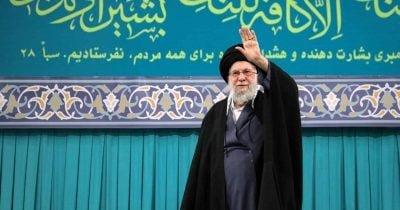
The recent call for vengeance by Iranian lawmaker Mahmoud Nabavian, following the assassination of Supreme Leader Ali Khamenei, has significant implications for both Iran's internal stability and international relations. As Nabavian emphasized on social media, Khamenei's death is being framed not merely as a personal tragedy but as a rallying cry for a collective response against perceived aggressors, namely the U.S. and Israel. This rhetoric could exacerbate existing tensions in the region and bolster hardline sentiments within Iran.
Market Reactions and Regime Stability
The response from prediction markets indicates a notable shift in the perception of regime stability in Iran. Following Nabavian's comments, the probability of regime change before 2027 saw a slight increase, now pegged at 6.5%. Concurrently, the forecast regarding Mojtaba Khamenei's leadership has seen a marginal decline to 82.8% in favor of stability. This indicates a growing unease about the continuity of the Khamenei legacy and raises questions about the potential for an internal challenge to leadership.
Broader Implications for Investors
From an investment perspective, the implications of these developments are profound. Increased calls for revenge can lead to unrest, which in turn destabilizes the market environment in Iran. Investors observing these political dynamics must now factor in the heightened risk associated with the region. Furthermore, previous market assessments have shown that political instability can lead to significant market fluctuations, impacting asset valuations and investment strategies.
What to Monitor Going Forward
As public funeral ceremonies unfold in Tehran, the domestic sentiment may shift, affecting perceptions of the Iranian regime's longevity. Observers should closely monitor statements from key political entities such as the IRGC and the Assembly of Experts, as any shift in their position could indicate potential changes in leadership strategy. Additionally, international reactions to Iran's mourning period, particularly from the U.S. and Israel, will play a critical role in shaping the geopolitical landscape, impacting market behaviors and investor confidence.