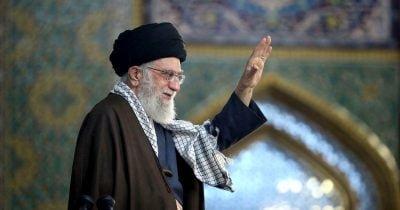
Recent reports of Iran's Supreme Leader Ayatollah Ali Khamenei being deceased have been proven inaccurate, indicating the resilience of the current Iranian leadership amid speculation of regime instability. Such narratives, despite their fictional nature, can significantly influence geopolitical perceptions and market dynamics.
Why This Event Matters
The erroneous claim regarding Khamenei's death, alleged to stem from a joint military scenario involving the US and Israel, has sparked discussions about the potential fragility of the Iranian regime. Although Khamenei remains alive, the mere circulation of these ideas highlights the prevailing questions surrounding political stability in Iran.
- Prediction market now suggests an 8.5% chance of the Iranian regime falling before the end of 2026, up from 6% a day earlier.
- Market participants interpret the fictitious reports as a signal of increasing instability within the regime.
- Such speculative scenarios can lead to heightened volatility in the region's political climate.
This situation indicates a growing sensitivity in the market toward perceived threats to regime stability. Investors are likely to reassess their positions in light of speculative geopolitical tensions, as the ongoing uncertainties can impact broader trade relations and energy markets.
Looking Ahead: Potential Market Implications
In light of this situation, observers will be keen to watch for developments within the Iranian regime, especially any shifts in the Islamic Revolutionary Guard Corps and foreign diplomatic interactions. Any significant geopolitical events, be it changes in leadership or alterations in international relations, could drastically impact market perceptions and pricing strategies.
This material is for informational purposes only and should not be considered as financial advice.