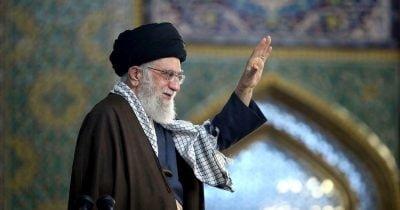
The upcoming funeral of Ayatollah Ali Khamenei, planned to accommodate an unprecedented 12 to 15 million visitors, marks a significant moment for Iran amid rising tensions with the United States. This massive public mobilization not only underscores the emotional weight of Khamenei’s death, reportedly due to a coordinated US-Israeli operation, but also the potential for transformative shifts in the Iranian political landscape.
Significance of Public Mobilization
The estimated attendance reflects not only Khamenei's influence but also serves as a clear show of defiance against perceived external aggressions. The participation of foreign delegations from groups such as Hamas and Hezbollah further complicates the geopolitical dynamics, potentially fostering regional alliances or escalating existing tensions. Observers will closely watch how local and international leaders respond during this pivotal event.
Implications for Leadership Transition
As preparations unfold, the probability of a leadership change in Iran has prompted speculation among market participants. The December 31 prediction market is already suggesting a 15.5% chance of a YES vote regarding changes in Iranian leadership. The forthcoming decisions from the Assembly of Experts regarding Khamenei’s successor will play a crucial role in shaping Iran's future direction, which could directly impact global oil markets and investor confidence in the region.
Potential Risks and Consequences
Iran's Revolutionary Guard has issued threats of significant retaliation against the US, raising concerns about possible military actions or declarations that could exacerbate regional instability. Such events might not only affect Iranian domestic politics but also ripple across global markets, altering the landscape for crude oil and influencing risk assessments in surrounding markets. The heightened expectations for leadership transition and military activity underline the need for vigilance on the part of investors and analysts.
In conclusion, Khamenei’s funeral is more than a national observance; it is a potential watershed moment for Iran, with implications reaching far beyond its borders. Stakeholders must remain alert to developments, as they may signal shifts that could redefine geopolitical alliances and market behaviors in the coming months.