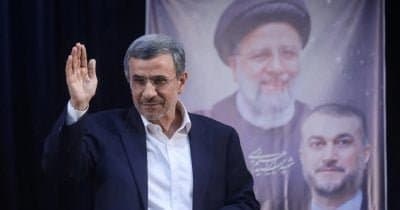
Recent reports from The New York Times reveal Israel's ambitious plan aimed at instigating regime change in Iran, with a notable proposal to reinstate former President Mahmoud Ahmadinejad. However, this initiative faces complications due to Ahmadinejad’s injury during recent military operations. The evolving situation is critical, as it occurs alongside ongoing military actions by the US and Israel, targeting Iranian leadership, including the recent death of Supreme Leader Ali Khamenei.
The likelihood of a regime change appears increasingly feasible, coinciding with significant geopolitical shifts in the region. In the wake of these developments, the odds of Reza Pahlavi's return to Iran have seen a slight uptick, shifting from 6% to 6.5% as of the last 24 hours. This increment, though modest, is indicative of the growing confidence among market participants regarding possible changes in Iran’s political landscape.
Observers should remain vigilant, particularly regarding potential statements from political figures like Reza Pahlavi, as well as any indications of defections within the Iranian military. Such movements could drastically affect market perceptions and influence the broader context of Iran's political dynamics. Notably, any announcements regarding new leadership strategies or shifts in US or Israeli policies could significantly alter the political landscape, steering it towards a new era.
Moreover, the trajectory of diplomatic negotiations, particularly those focused on ceasefire agreements, will be key in determining the reality of a regime change. As these situations develop, the implications for both regional stability and global market confidence cannot be overstated, especially given the intricate ties between military actions and political shifts.
This article is informational and not financial advice.