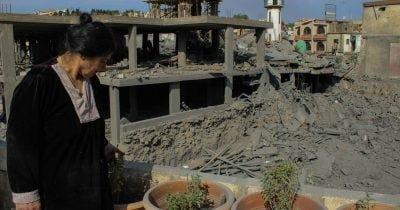
The recent shift in Iran's military doctrine underscores a critical moment in Middle Eastern geopolitics. Following the death of Ayatollah Ali Khamenei, Iran announced its transition from a deterrent strategy to a more aggressive retaliatory stance. This change, which follows a joint U.S.-Israel operation in February 2026 that resulted in Khamenei's death alongside several senior military officials, signals Tehran's commitment to imposing significant costs on its adversaries.
This shift away from deterrence is notable as it reflects an increasingly unstable landscape in the region, with worries that Iran's aggressive policy could lead to heightened tensions, not just with the U.S. and Israel but also among its neighboring countries. Market reactions already indicate a growing concern about potential instability, suggesting that there is now a heightened probability of a leadership transition in Iran before the year concludes.
Potential Market Impact
The strategic reorientation of Iran's military approach could have varied implications for investors. First and foremost, the shift may lead to increased volatility in energy markets, as any military confrontation could threaten critical oil supply routes. As we have observed in previous instances, geopolitical tensions often cause immediate spikes or drops in oil prices, subsequently impacting associated markets like cryptocurrencies and stocks.
Moreover, the likelihood of a leadership change in Iran adds another layer of complexity for investors. If the Assembly of Experts positions a new Supreme Leader, this could create a ripple effect in domestic policy and Iran's foreign relations. Stakeholders should remain attentive to any public appearances or statements from prominent figures like Mojtaba Khamenei or Reza Pahlavi, which might influence market perceptions.
Monitoring Developments
Going forward, the political landscape in Iran will be critical to watch. Key indicators will include potential significant developments in Iranian relations with the U.S. and Israel. Such events could serve as barometers for possible shifts in leadership, which in turn could reshape regional alliances and increase the prospects for conflict or cooperation.
Investors should keep an eye on these dynamics as they navigate the complexities of the Iranian geopolitical landscape and assess the potential repercussions on broader economic conditions. The ongoing geopolitical turmoil in the Middle East has always been a precursor to market shifts and the current scenario is no different.