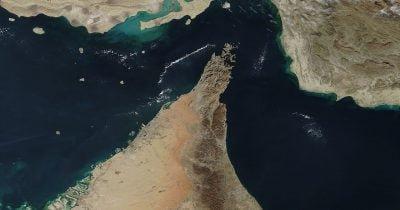
The recent announcement by Iran's Islamic Revolutionary Guard Corps (IRGC) Navy regarding the temporary closure of the Strait of Hormuz has raised significant concerns among global oil investors and analysts. This strait is a crucial maritime passage for oil shipments, accounting for a substantial percentage of the world's oil trade. While Iran has framed this closure as a response to perceived violations by the U.S. and Israeli military actions in the region, the actual implications for global oil markets could be more nuanced and complex.
Despite the closure announcement, real-time data from U.S. military sources and shipping trackers indicate that many merchant vessels continue to navigate the strait. This suggests that the blockade may not be uniformly enforced or could be more symbolic in nature. However, the risks associated with this situation cannot be understated. Iranian threats to impose severe consequences on unauthorized shipping routes signal a willingness to escalate tensions further, which could lead to significant disruptions in oil supply.
Market analysts have noted a marked decline in the probability of a quick normalization of traffic through the strait. As of now, the chances of a swift return to normal operations by July 7 stand at a mere 0.1%. Even by the end of the month, the likelihood seems grim at 5.5%. Such figures reflect a growing skepticism within the market about the potential for a rapid resolution to this crisis. Ongoing tensions could maintain elevated oil prices, impacting not only oil-dependent economies but also investors worldwide.
Looking ahead, several developments could influence market dynamics. The situation remains fluid, with potential diplomatic negotiations or an official ceasefire potentially altering the current landscape. Global oil flow data from organizations like IMF PortWatch and Lloyd’s List Intelligence will be essential for understanding the actual impact of this blockade on maritime traffic. Any significant increase in vessel movements or announcements regarding lifted restrictions could indicate progress and result in a market correction, although the path to stabilization appears fraught with uncertainty.
This analysis serves informational purposes and should not be construed as financial advice.