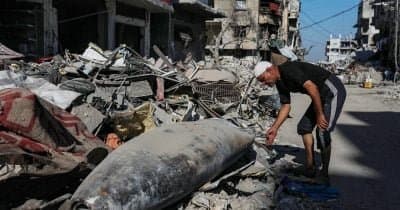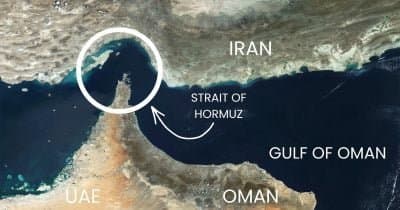
The recent declaration by Iranian military official Baghaei, asserting that Iran will not allow the Strait of Hormuz to become a threat, underscores the ongoing geopolitical volatility in the region. This statement emerges against a backdrop of heightened tensions following U.S. military actions against Iranian targets and retaliatory measures by Iran, including attacks on commercial vessels. The Strait of Hormuz, a critical conduit for global oil shipments, has seen a significant disruption in traffic, raising concerns about its future viability.
The commitment expressed by Iran to maintain control over this vital waterway is particularly relevant for global markets, as the Strait is responsible for a considerable percentage of the world’s oil supply. Currently, market sentiments reflect skepticism about the normalization of traffic through the strait, with the probability of reopening by the August 31 deadline plummeting from 34% to 17.5% in just a week. This drop indicates a growing apprehension among traders and investors regarding the stability of oil routes, which could lead to increased oil prices and broader economic repercussions.
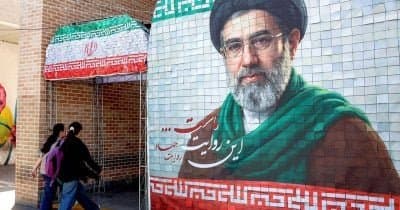
Furthermore, the potential for military engagements to continue poses a significant threat to regional trade. The situation is further complicated by the historical context of conflict in the region, particularly following the assassination of Supreme Leader Ali Khamenei that has catalyzed ongoing hostilities. Observers are keenly watching for any developments in U.S.-Iran relations, as official announcements related to peace deals or plans for reopening the Strait could dramatically alter current market expectations. Any escalation or de-escalation in the conflict could lead to a re-evaluation of the risks associated with oil transport in the region, impacting both supply chains and pricing strategies.
In light of these developments, it is crucial for investors and market analysts to remain vigilant. The uncertainty surrounding the Strait of Hormuz not only affects oil prices but could also have broader implications for global economic stability. As events unfold, the potential for a ceasefire or further military actions will be pivotal in shaping the future landscape of oil transportation and overall market sentiment. The dynamics at play in this region will undoubtedly continue to be a focal point for stakeholders in the energy sector and beyond.
This material is informational and should not be considered financial advice.