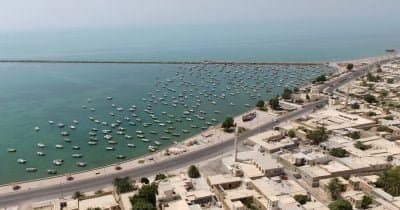
The recent incident involving the downing of a US-Israeli 'Lucas' drone by Iran's Air Defense Force in Bandar Abbas is a significant escalation in the ongoing tensions in the region. This action not only confirms Iran's military readiness to respond to perceived threats but also highlights the strategic importance of Bandar Abbas as a critical maritime chokepoint. The implications of this event extend beyond military posturing; it could alter the dynamics of regional stability and affect market sentiments.
Understanding the Context of the Incident
This drone interception comes amidst a backdrop of increasing military engagements between Iran and coalition forces led by the United States and Israel. The confirmation by Iran's military serves as a stark reminder of the fragile ceasefire that has been in place, which, despite its existence, has proven to be tenuous. It signals Iran's intent to protect its airspace and exert control over areas deemed vital to its national security.
Moreover, Bandar Abbas's strategic position makes it a focal point in maritime navigation and military operations. The Strait of Hormuz, a vital passage for global oil shipments, sees a substantial percentage of the world's oil flow, making any military confrontations in the area potentially disruptive to global markets.
Potential Consequences for Regional Dynamics
The market response to this incident is already noticeable, with pricing indicating an increased likelihood of future Iranian military actions against Gulf states. The probability of direct confrontation appears to be rising, which could lead to further escalations in military activities. Investors and analysts should be aware of how these developments could influence both regional stability and the price of oil, as well as broader implications for global energy markets.
In light of these events, it is crucial for observers to monitor official communications from Iranian leadership, as well as potential reactions from the United States and Israel. Any military retaliations or diplomatic maneuvers could significantly influence the geopolitical landscape, particularly around the Strait of Hormuz, where tensions are already high.
As the potential for further military engagements looms, prediction markets are likely to reflect increased volatility, impacting trading strategies and investment decisions in the region and beyond. The overall sentiment in these markets suggests a wariness of escalations, which could reverberate through various sectors including energy, defense, and international trade.
This material is for informational purposes only and does not constitute financial advice.