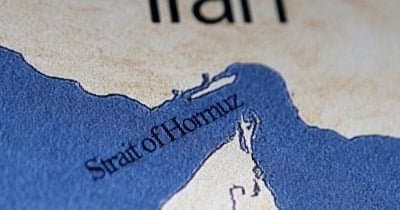
The recent closure of the Strait of Hormuz by Iran marks a critical juncture in the intricate geopolitics of the Middle East, with profound implications for global oil supply and economic stability. This strategic waterway, through which approximately 20% of the world’s oil passes, has become a focal point of escalating tensions between Iran and the United States, as well as Israel.
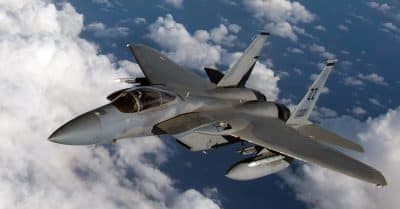
In the wake of a breakdown in a U.S.-Iran memorandum of understanding, Iran's leadership appears to be intensifying its military maneuvers, particularly targeting commercial vessels. This escalation aims to exert economic pressure on the U.S. amidst upcoming presidential elections, showcasing Tehran’s willingness to disrupt not only regional stability but also global markets. The military actions, including U.S. strikes on Iranian assets, reflect a volatile environment where diplomatic resolutions seem increasingly distant.
Market Reactions and Implications
The closure has already reverberated through financial markets, as indicated by a significant drop in confidence regarding the expected normalization of maritime traffic. Current market estimates place the probability of the Strait returning to normal traffic conditions by August 31 at a mere 16.5%. This skepticism underscores a broader uncertainty in global oil prices, which are sensitive to real-time developments in this strategically vital region.
As military tensions persist, stakeholders in the oil market will be keenly observing not only the military developments but also any signs of diplomatic engagement. Analysts will particularly watch for official statements from Iran or the potential for a U.S.-Iran joint press conference, as these could serve to alleviate market fears and suggest a path toward de-escalation.
The Broader Context of U.S.-Iran Relations
Despite the destruction of substantial Iranian military assets, which may limit its capacity for a prolonged blockade, the current pricing trends suggest a deep-rooted doubt about a swift resolution. Iran’s recent activities can be interpreted as a calculated move to influence not just regional dynamics but also the political landscape in the U.S. By creating instability, Iran may seek to shape narratives that benefit its geopolitical interests.
Furthermore, any prolonged disruption in the Strait of Hormuz could lead to an increase in global oil prices and exacerbate inflationary pressures, particularly in economies heavily reliant on oil imports. Investors must thus navigate this multifaceted situation, weighing the risks of further military escalations against the potential for unexpected diplomatic breakthroughs.
This article is for informational purposes only and should not be considered financial advice.