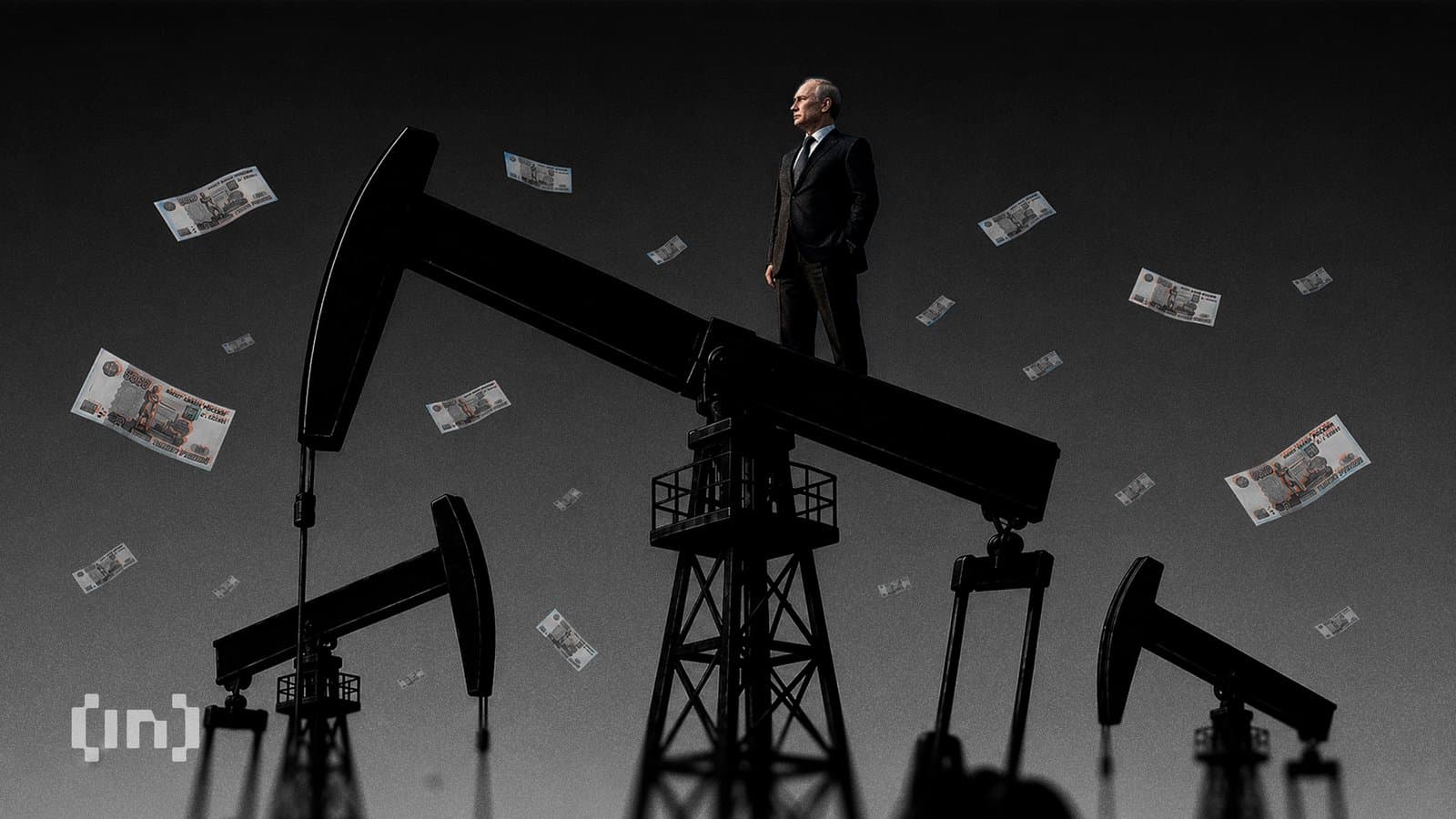
Goldman Sachs projects Brent crude could approach $120 a barrel by Q4, nearing the $126.41 peak last seen during the US-Iran war escalation in April. This forecast hinges on continued disruptions to oil flows through the Strait of Hormuz, a critical chokepoint responsible for a significant share of Persian Gulf exports. The firm’s analysts, led by Daan Struyven, attribute the recent price surge to heightened Middle East tensions and a sharp decline in Persian Gulf flows, now below 45% of pre-war levels.
Escalation and Supply Disruptions as Price Drivers
Brent crude’s price movement has been volatile in recent months, hitting above $90 on July 19 amid intensifying conflict before retreating slightly as hopes for a ceasefire emerged. Goldman’s base case still expects Brent to average $80 in Q4 and $75 in 2024, assuming a de-escalation between the US and Iran. However, the risks clearly lean toward higher prices given the possibility of a wider blockade in the Strait of Hormuz and potential interruptions in the Red Sea. The latter is increasingly vulnerable due to threats from Houthi rebels targeting Saudi oil shipments.
This context exposes how geopolitical instability in key oil transit routes directly impacts market sentiment and supply expectations. Lower global inventories compound the market’s sensitivity to shocks, as the buffer to absorb supply shocks has diminished notably compared to prior years. At the same time, a recent downturn in Chinese oil imports and increased demand elasticity may help limit upside momentum, echoing themes highlighted in BeInCrypto’s coverage of Gulf tensions and reserve depletion-driven price pressures from TD Securities.
Goldman’s strategy to hedge against persistent disruptions involves going long on the long-dated European diesel timespread from December 2026 to March 2027. This reflects tightness in diesel markets driven by ongoing Ukrainian strikes on Russian refineries and elevated gas price risks linked to the conflict. The interplay between geopolitical events, supply chain chokepoints, and inventory levels shows just how vulnerable energy markets have become to external shocks, suggesting investors must remain vigilant about evolving risk factors.
This material is for informational purposes only and is not financial advice.