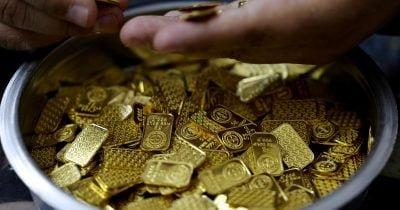
As geopolitical tensions rise in the Middle East, traditional safe haven assets like gold are exhibiting unexpected behavior, with prices stabilizing around $4,140 per ounce rather than soaring, as many would anticipate. This stagnation represents a significant 26% decline from the all-time high of $5,598 recorded in January 2026, challenging the common perception of gold as a reliable refuge during crises.
Why This Situation Matters for Investors
Gold's inability to respond positively to escalating Middle Eastern conflicts indicates a complex interplay of economic factors, particularly the looming threat of Federal Reserve interest rate hikes. Such increases can render non-yielding assets less appealing, making gold appear less attractive compared to other investments.
- Current gold price: approximately $4,140 per ounce
- Peak price in January 2026: $5,598
- Price drop from February to July 2026: 19%
- General decline in gold value: 26% since January 2026
The ongoing conflicts, particularly involving Iran and its regional implications, often drive a surge in gold prices; however, the current trends suggest that rising oil prices are instead fostering fears of inflation. These fears potentially lead to expectations of rate hikes, strengthening the dollar and dampening gold's appeal.
Implications for Broader Markets
The implications for other assets, notably cryptocurrencies, are significant. Investors are left questioning what constitutes a reliable store of value in a high-rate environment. With Bitcoin similarly lacking yield and showing persistent correlations with risk-based assets, it too faces challenges that mirror those of gold. If gold falters during such significant geopolitical tensions, it prompts concerns for crypto investors as they watch developments unfold.
Looking Ahead: Key Considerations for Investors
Market participants should closely monitor upcoming Federal Reserve meetings and announcements that may signal future rate hikes, as these will likely influence both gold and cryptocurrency valuations. As the landscape continues to evolve, understanding the relationship between geopolitical instability, inflation expectations, and monetary policy will be crucial for navigating investments.
This material is for informational purposes only and is not financial advice.