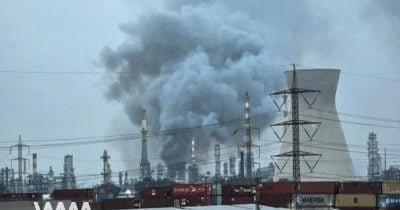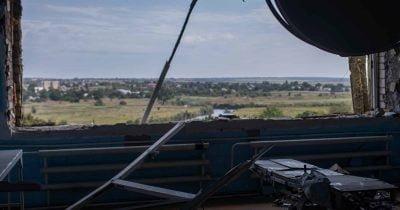
The ongoing escalation of missile and drone strikes by Russia against Ukraine marks a significant turning point in the regional conflict, highlighting the increasing stalemate in diplomatic negotiations and the deepening humanitarian crisis. Reports indicate that the recent surge in military activity has resulted in the deaths of at least 21 civilians, underscoring the human cost of this persistent conflict. As military tensions intensify, the broader implications for regional stability and international relations warrant close examination.
Understanding the Implications of Increased Aggression
This marked escalation of hostilities is not merely a continuation of prior aggression but a strategic shift that could have lasting impacts on both military and political fronts. The key numbers from this latest assault are alarming:
- 74 missiles launched in a single offensive.
- Over 500 drones utilized, targeting infrastructure and civilian areas.
- A grim toll of at least 21 civilian lives claimed in these attacks.
The sharp increase in military activity appears to be a deliberate effort by Russia to overwhelm Ukraine’s air defense systems and undermine civilian response capabilities. The cessation of diplomatic efforts and the dismissal of Russian security proposals since 2014 indicate that the West's influence in mitigating this conflict has dwindled, leaving Ukraine in a precarious position.
Assessing Market Reactions and Future Outlook
Amid these developments, market forces are reacting strongly to the geopolitical tensions. Recent pricing trends reflect an increased likelihood of further Russian military advances, particularly concerning key Ukrainian cities such as Sloviansk, where the odds for potential Russian action have risen to 26.5%. Such market indicators not only emphasize the immediate dangers of territorial expansion but also reflect broader sentiments regarding conflict resolution, which currently appears bleak given the odds at 39.5% for reaching a formal ceasefire agreement by year-end.
As military escalations continue, affected economies and markets will remain in a state of flux, as increased uncertainty regarding regional stability impacts investments and international relations.
Monitoring Future Developments
In the coming weeks, it will be crucial for observers to track various indicators of military engagement, including troop movements and rhetoric from both Russian state media and Western governments. Additionally, any increase in international support for Ukraine or heightened sanctions against Russia could significantly alter the dynamics of the conflict. Given the current trajectory, stakeholders must remain vigilant, as the situation develops with potential repercussions for both local populations and global markets.
This content is for informational purposes only and does not constitute financial advice.