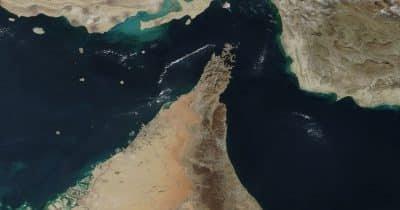
Recent military actions by the United States against Iranian targets have significantly heightened geopolitical tensions in the region. U.S. strikes have specifically targeted underground drone and missile sites, as well as coastal defenses. This move not only escalates hostilities but also reflects a strategic shift in U.S. engagement with Iran, especially as voices within the U.S. government hint at reimposing a naval blockade. Such a blockade could have profound ramifications for Iran’s oil revenues and global shipping routes, particularly through the critical Strait of Hormuz.
Why this Development is Crucial for Global Markets
The potential for a naval blockade represents more than just a tactical maneuver; it signals a shift in U.S. foreign policy that could reshape international trade landscapes. The Strait of Hormuz is a vital transit point for a significant portion of the world’s oil supply. The reintroduction of a blockade would tighten global oil markets and could lead to significant price fluctuations. Key metrics indicating market sentiment have already begun to shift, with probabilities of a blockade being announced by the end of the year climbing from 30% to 44.5% in trading predictions. This reflects a growing consensus among investors of a deteriorating situation that may necessitate further action.
- U.S. military actions are targeting strategic infrastructure within Iran.
- The pricing for a potential U.S. blockade has surged from 30% to 44.5%.
- Heightened market interest suggests potential Iranian responses may target shipping.
Future Considerations and Market Reactions
Investors and observers should closely monitor upcoming announcements from U.S. Central Command or statements from President Trump regarding the situation. Additionally, any rhetoric from Iran’s Supreme Leader or the Iranian Revolutionary Guard will be pivotal in determining their potential retaliatory measures. The geopolitical climate is fluid, with ongoing developments in the Strait of Hormuz likely to dictate future market trends.
This material is for informational purposes only and is not financial advice.