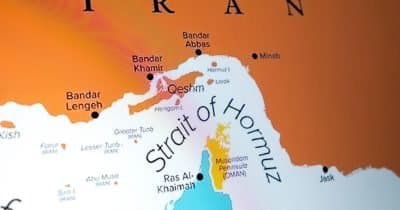
The renewed military conflict between the U.S. and Iran in the Strait of Hormuz poses a daunting threat to global oil supply chains. Following the breakdown of the Islamabad Memorandum ceasefire, U.S. military operations targeting Iranian positions have provoked a fierce response from Tehran, which has declared the strait closed. This waterway is not just significant for the nations involved; it accounts for approximately 25% of the world’s seaborne oil trade, making its stability crucial for global energy markets.
The implications of this conflict stretch far beyond immediate regional tensions; the ripple effects are already being felt in oil prices. As uncertainty mounts, market analysts have adjusted their projections, indicating that expectations for normal shipping traffic through the strait by mid-July are rapidly diminishing.
Current Market Sentiment and Anticipated Outcomes
Recent market data underscores the reduction in vessel traffic, with only a projected 150 ships expected to traverse the strait from July 6 to July 12. This stark expectation highlights the increasing risk premium associated with transiting these waters, showcasing how geopolitical factors can exert immediate influences on operational logistics. As such, the likelihood for normalization in traffic by July 15 appears bleak, suggesting that significant disruptions may continue.
This ongoing crisis encapsulates a broader diplomatic tussle between the U.S., Iran, and other international stakeholders. Observers should remain vigilant for any signs of ceasefire negotiations or further military aggression. A diplomatic resolution could shift market expectations positively, steering them towards stability, while a continued military offensive by Iranian forces or retaliation from the U.S. could exacerbate the current instability.
Key Considerations for Investors
For investors, the situation underscores the importance of monitoring geopolitical developments closely. The affects of rising oil prices are already becoming visible in various sectors, emphasizing the interconnectedness of geopolitical dynamics and economic health. Traders need to be aware of potential volatility; the ability to quickly adapt to changing circumstances will be critical going forward.
- Impact on global oil supply and prices.
- Increased market volatility likely due to geopolitical uncertainty.
- Need for vigilance in observing diplomatic and military developments.
This article is for informational purposes only and should not be construed as financial advice.