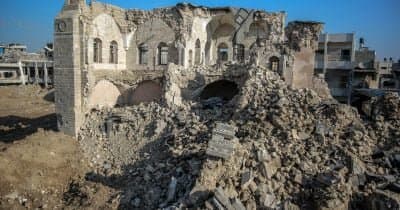
The situation in Khan Younis has taken a grim turn as displaced Palestinians take refuge in a mosque amid ongoing Israeli military operations. Despite earlier ceasefire agreements, airstrikes and ground incursions continue to plague the region, intensifying what many observers recognize as a complex humanitarian crisis.
Operational Tension Amid Ceasefire Agreements
The continued military actions, including the deployment of Israeli tanks and new evacuation orders, indicate heightened hostilities. These developments not only exacerbate the immediate suffering of civilians but also signal a troubling pattern, casting doubt on the permanence of any established ceasefires. With significant military presence in southern Gaza, the prospects of a stable peace appear increasingly precarious.
Market Predictions and Implications
A look at prediction markets reveals growing skepticism regarding a potential Israeli withdrawal from contested areas, such as beyond the Litani River. Predictions for a withdrawal by July 31 are currently down to 2.9%, a drastic decline reflecting fears of heightened military engagement rather than de-escalation. In contrast, forecasts for a December 31 withdrawal are significantly more optimistic, with a 42% chance projected. This discrepancy suggests that while short-term outlooks are grim, some believe in a longer-term resolution.
Monitoring Key Developments
Investors and analysts alike will be closely watching communications from key figures like Israeli Prime Minister Benjamin Netanyahu and the Israeli Military Spokesperson. Any significant announcements regarding troop movements, or shifts in ceasefire dynamics could have immediate effects on market pricing. For instance, developments related to Israeli military operations or new evacuation directives are key indicators that could shift both public sentiment and financial forecasting.
This material is for informational purposes only and should not be interpreted as financial advice.