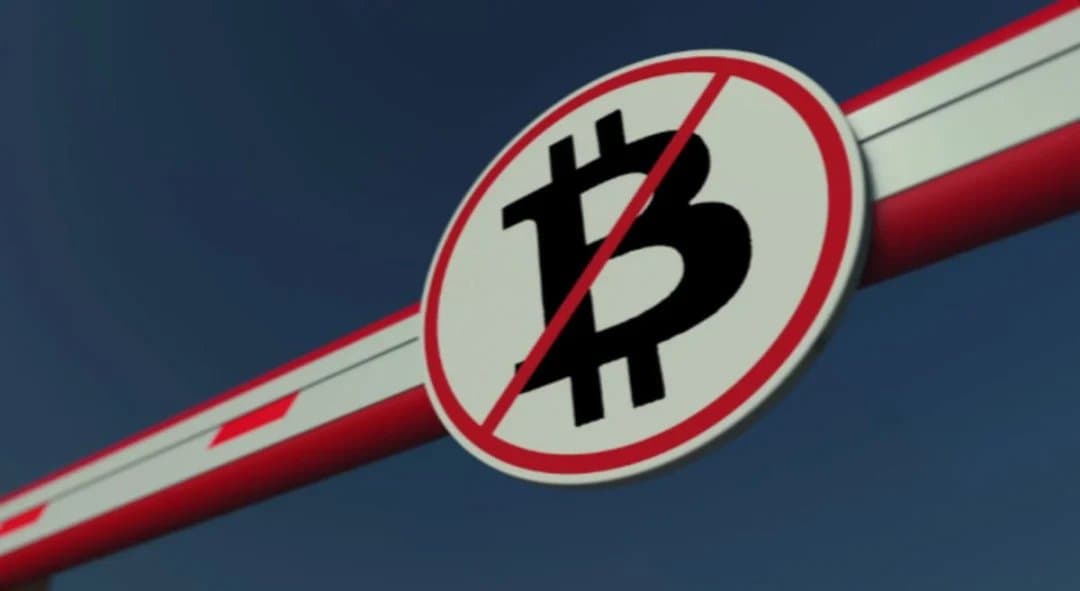
In a significant development for the cryptocurrency landscape in Pakistan, Mufti Muhammad Taqi Usmani has declared that trading in cryptocurrencies, including Bitcoin, Ethereum, and stablecoins such as Tether (USDT), is forbidden under Islamic law. This ruling, disseminated by the Darul Uloom Karachi, a prominent Sunni Islamic institution, categorizes these digital assets as not qualifying as wealth or property according to Shariah principles.
The implications of this fatwa are profound, as it casts a shadow over the burgeoning interest in cryptocurrency investments among Pakistan's Muslim population. While a fatwa is not legally binding, it wields considerable influence over the financial behaviors of many, potentially stifling the growth of the crypto sector in a country that is simultaneously attempting to regulate and expand its digital asset industry.
Despite the religious ruling, there is a notable divergence in the government's approach. The Pakistan government is actively working to nurture a regulated environment for cryptocurrencies through the establishment of the Pakistan Virtual Assets Regulatory Authority (PVARA). This initiative aims to create a framework that encourages blockchain adoption while ensuring investor protection. Recent discussions between PVARA Chairman Bilal Bin Saqib and Mufti Usmani included explorations of both the technical aspects of blockchain technology and the religious ramifications of digital assets.
As the government pushes forward with regulatory frameworks aimed at supporting the crypto sector's growth, the fatwa remains unchanged, and the tension between religious authority and state regulation continues to pose challenges for market participants. This situation raises questions about the future of cryptocurrency trading in Pakistan, where regulatory attempts may conflict with deeply held religious beliefs.
This material is informational and does not constitute financial advice.