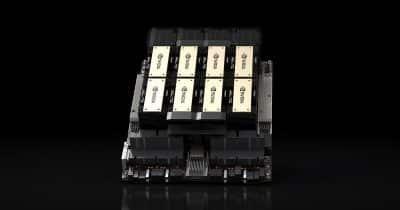
Recent developments indicate that China has taken a cautious step towards acquiring advanced semiconductor technology, particularly Nvidia's H200 chips. The US Commerce Department has approved the sale of these chips to a select group of ten major Chinese tech companies, including prominent names such as Alibaba, Tencent, and ByteDance. However, despite the green light, no chips have been delivered as of mid-May 2026.
Understanding the Significance of This Development
This situation is critical for several reasons. First, it reflects the ongoing technology struggle between the US and China over semiconductor dominance. The potential ability for Chinese firms to purchase up to 75,000 chips each, resulting in a possible overall order exceeding 400,000 chips, signifies a strategic move to bolster domestic AI capabilities.
- Ten major tech firms are approved for chip purchases.
- Each can buy 75,000 chips, totaling hundreds of thousands of chips.
- No chips have been delivered as of mid-May 2026.
Notably, the H200 chips represent a substantial upgrade over previous generations, providing enhanced processing power that is essential for training sophisticated AI models. Despite the government's push for semiconductor self-sufficiency, this limited access underscores the reliance on US technology for advanced AI development.
The Broader Context of Semiconductor Geopolitics
The growing restrictions by the US on exports of cutting-edge semiconductor technology have made it increasingly difficult for Chinese companies to access the latest innovations. This geopolitical tension was further exacerbated by the Trump administration's earlier easing of export controls, allowing a limited supply of H200 chips to be sent to China. This nuanced situation creates a balancing act: while companies may have an approved order, the constraints placed on them hinder their ability to utilize these chips fully for expansive AI growth.
What Investors Should Monitor Moving Forward
For investors, the attention should gravitate towards the practical implications of these chip approvals. Will there be actual deliveries, and if so, how will these augment the competitive positions of Chinese firms? Additionally, tracking the progress of Huawei's own semiconductor initiatives is vital since the Chinese government is driving its major AI firms towards domestic solutions, potentially sidelining US technology in the longer term.
This material is for informational purposes only and is not financial advice.