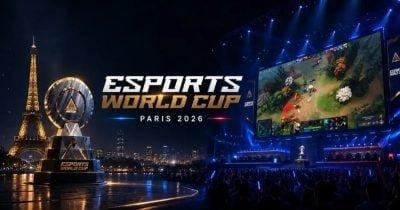
The recent conclusion of the Esports World Cup 2026 in Paris marked a significant milestone for the cryptocurrency industry, as Coinbase and Bitget made history by becoming the first crypto sponsors for the event. This development is not merely a branding exercise; it signals a growing acceptance and integration of cryptocurrency into mainstream sectors such as esports, which has been experiencing rapid growth and increased viewership.
Coinbase and Bitget's logos were prominently displayed during broadcasts of the tournament, an important aspect considering the tournament featured a massive prize pool of $75 million, with $2 million dedicated specifically to the Valorant segment. This investment showcases the potential of esports as a lucrative platform for brands looking to reach younger, tech-savvy audiences. The fact that these sponsorships were facilitated by new French regulations highlights an important trend: governments are beginning to embrace the crypto industry, allowing for more diverse and innovative marketing strategies.
The esports tournament itself was competitive, culminating in Nongshim RedForce's impressive victory over BBL Esports to secure third place in the Valorant bracket. However, the outcomes of individual matches pale in comparison to the broader implications of having cryptocurrency brands take center stage in such a respected event. The absence of direct token promotions or blockchain product launches indicates that Coinbase and Bitget are focused on brand visibility rather than immediate transactional goals. This suggests a strategic move to bolster their reputations within the burgeoning esports community and increase general awareness of cryptocurrency as a viable and engaging asset.
This approach may pave the way for future crypto-related collaborations within esports, potentially impacting how sponsors view the cryptocurrency sector. With recent trends indicating increased interest in digital assets, the recognition of crypto's significance in entertainment can reshape perceptions and lead to further investments, especially as platforms like esports continue to attract a global audience.
In conclusion, the entry of crypto sponsors into the Esports World Cup serves as an important reminder of the ongoing convergence between technology and entertainment. As the lines between these industries blur, investors should remain vigilant regarding emerging trends and the potential for long-term growth in both sectors.
This article is for informational purposes only and should not be considered financial advice.