As of July 15, 2026, China has enacted stringent regulations concerning artificial intelligence, particularly targeting the emotional attachments users may form with AI chatbots. The timing of these regulations coincides with a significant demographic crisis: only 7.92 million births were recorded in the country in 2025, resulting in a birth rate of just 5.63 per 1,000 people. This scenario raises questions about the role of AI in society as an alternative to human relationships and its implications for the future workforce.
Details of the Regulations
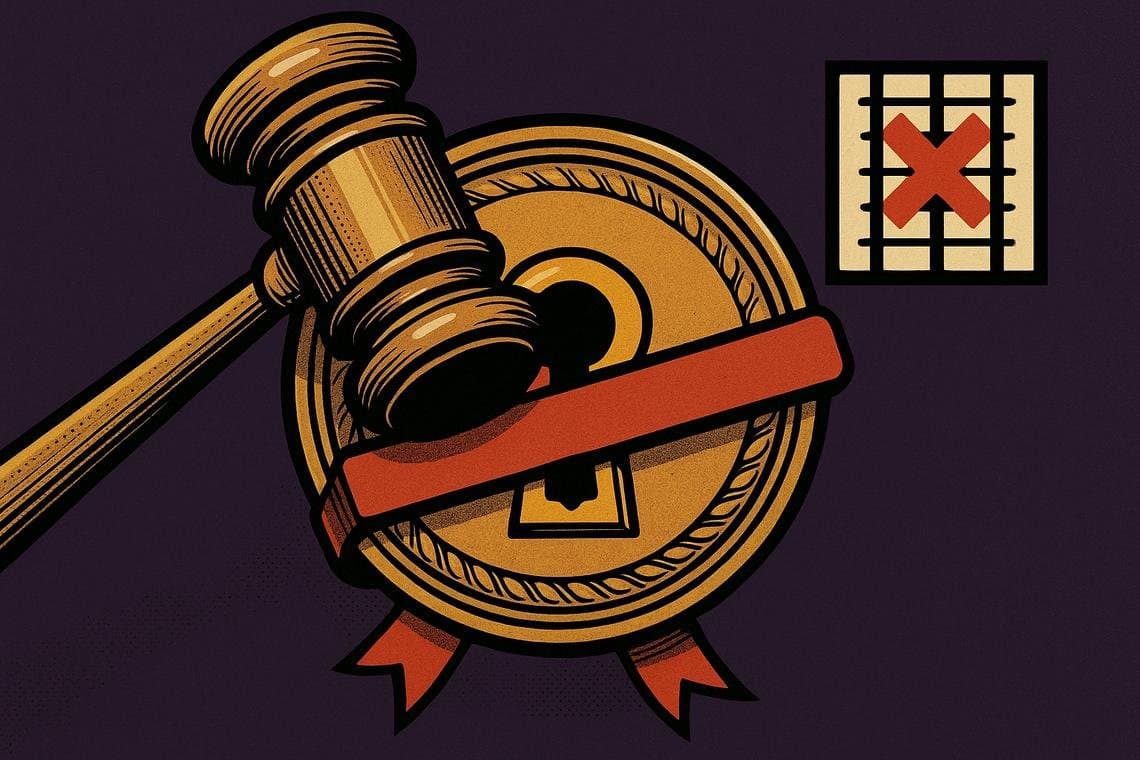
The newly introduced Interim Measures for the Administration of AI Anthropomorphic Interactive Services specifically aim to curb emotional dependency on AI companions. These regulations classify AI applications that mimic human interactions such as those that remember names and personal details as separate from traditional tools like search engines. Under these rules, services providing virtual intimate relationships are strictly prohibited for minors without exceptions. This absolute ban reflects deep concerns regarding the psychological development of youth in a digital age.
For adults, the regulations are somewhat less strict but still impactful. AI platforms must ensure their services do not promote emotional dependency, which could lead users to seek emotional support instead of practical assistance. However, the regulations do not offer clear definitions of what constitutes dependency, placing the onus on developers to prove compliance.
Broader Implications for the Market
Major tech companies such as ByteDance, Alibaba, and Tencent have proactively adjusted their services to align with these regulations, indicating a significant market shift. As the demand for AI companionship rises, such regulations could dampen innovation in this sector, leading to a potential reduction in market offerings. Investors and companies will need to navigate these new waters carefully, considering both the regulatory landscape and changing societal norms around human-AI interactions.
- Emotional intimacy simulation banned for minors
- Adult services must avoid fostering dependency
- Compliance metrics remain undefined, increasing developer burden
This legislative move reflects a broader trend in regulating technology as it intersects with human psychology and social structures, raising questions about the balance between innovation and ethical considerations in AI development.
This article is informational and does not constitute financial advice.