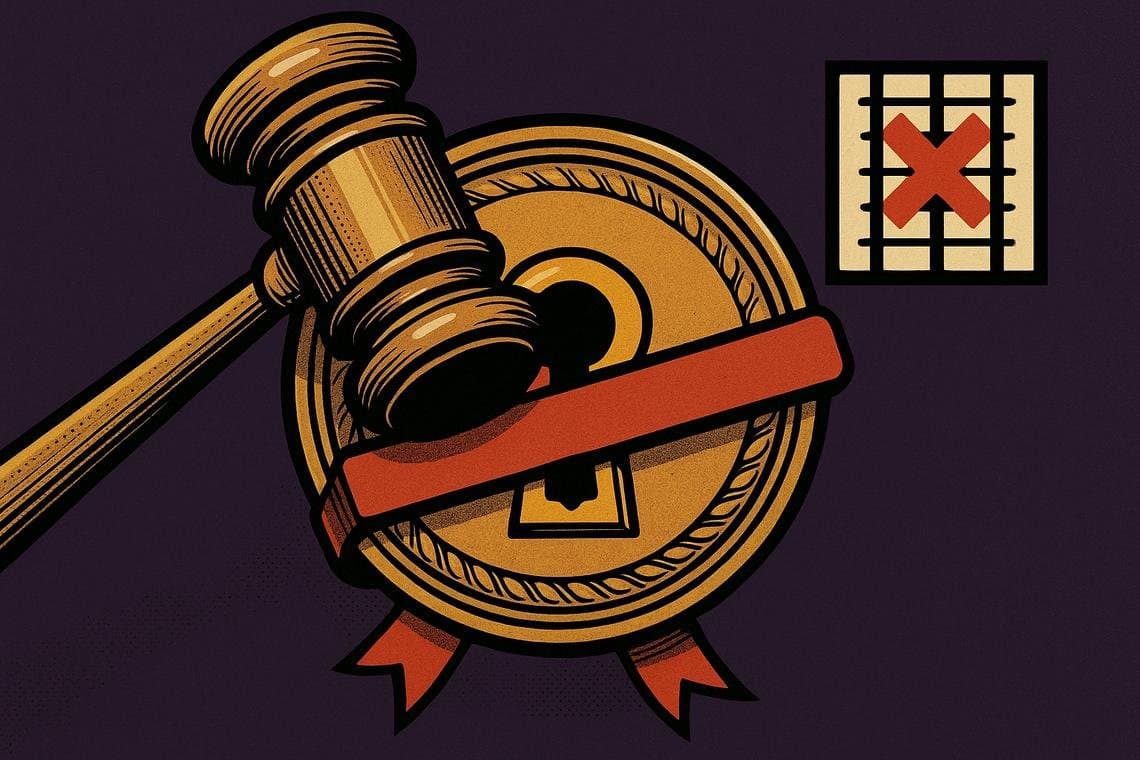
The recent unanimous vote by the U.S. Senate against any clemency for Sam Bankman-Fried serves as a critical watershed moment in the ongoing regulation of the crypto industry. This decision signals a potent and unified response to the fallout from the catastrophic collapse of FTX, an event that left over $8 billion in customer losses in its wake.
The Bipartisan Stand Against Clemency
The Senate's resolution, passed with no dissenting votes, shows a collective political stance that rejects the idea of leniency for Bankman-Fried. Senators Cynthia Lummis and Ruben Gallego, both leaders on the Senate Banking Committee's digital assets subcommittee, spearheaded this initiative, emphasizing accountability in an arena often marred by regulatory uncertainty.
Bankman-Fried, found guilty on seven counts related to one of the largest financial frauds in U.S. history, will not be eligible for release until around 2044. By publicly denouncing any possibility of clemency, lawmakers are reinforcing a message to both the crypto community and financial markets that regulatory measures are tightening. This aligns with sentiments expressed in other recent discussions around crypto regulation, reflecting a legislative movement aimed at preventing future incidences of fraud.
Implications for the Crypto Market
The unanimous consent from the Senate can be interpreted as a warning shot for other individuals in the crypto space. With legislators taking an uncompromising stand against Bankman-Fried, there is an implicit expectation that similar actions will be taken against any future breaches of trust or fraud within the industry.
- The unanimous resolution was a historic move, an indication of strong legislative consensus.
- Future industry figures may now face greater scrutiny and accountability.
- This could lead to a more stringent regulatory environment for crypto businesses.
This strong legislative response reflects a wider recognition of the crypto industry's need for regulation and oversight, presenting both a challenge and an opportunity for existing players. With increasing pressure from Congress, companies and investors may need to reassess their approaches to compliance and risk management in this evolving landscape. The push for regulation is likely to intensify, aiming to prevent another crisis like that of FTX.
This material is for informational purposes only and should not be considered financial advice.