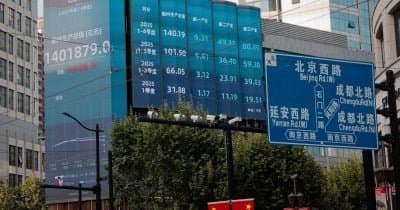
China Reform Holdings Corp took decisive action on July 19, injecting over 50 billion yuan, about $7.38 billion, into domestic equities to halt an alarming stock market decline. This intervention was channeled through special relending mechanisms and private funds, primarily supporting centrally managed state-owned enterprises (SOEs). Following suit, China Chengtong Holdings Group pledged close to 10 billion yuan for continued acquisition of central SOEs, technology stocks, and ETFs, reinforcing government involvement across strategic sectors.
Confronting a 4 Trillion Yuan Market Collapse
The immediate catalyst for these measures was the STAR Market’s dramatic drop of roughly 25% since July 1, erasing more than 4 trillion yuan in market capitalization. As China’s equivalent of Nasdaq, the STAR Market’s plunge reflects significant pressure on tech and growth-oriented companies amid global sector weakness. The China Securities Regulatory Commission scheduled a symposium on July 20, aiming to engage listed firms and institutional investors on coordinated steps toward stabilization, underscoring regulatory urgency.
State Intervention as a Strategic Playbook
This intervention aligns with the framework established earlier this year when the CSRC designated “stability-first” as a primary goal for 2026, endorsing counter-cyclical policies to mitigate severe market swings. The targeted infusion into SOEs and technology sectors reveals the government’s prioritization of these entities as structural pillars warranting protection. Unlike previous episodes during the 2015 crash or the 2018 trade war selloff, this mechanism also incorporates ETF purchases to bolster index performance, signaling a more nuanced and diversified support approach.
Implications for Market Participants
Technology stocks stand out in this state-backed buying spree, highlighting Beijing’s strategic intent to shield a sector vital for future economic growth despite ongoing global challenges. The upcoming CSRC symposium will be key. Its outcomes will illuminate whether the current turmoil is considered a transient liquidity issue or a symptom of deeper structural challenges requiring prolonged intervention. Such clarity will influence investor risk appetite and portfolio allocations in China’s markets.
Chinese equities responded with modest gains following the announcement, reflecting cautious optimism amid uncertainty.
This material is provided for informational purposes and does not constitute financial advice.