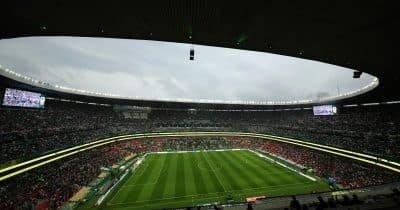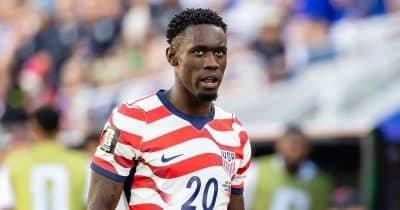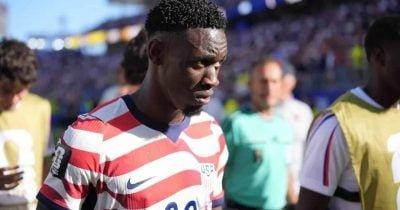
The recent decision by FIFA's Disciplinary Committee to overturn the red card suspension of Folarin Balogun, a pivotal player for the U.S. Men’s National Team, carries significant implications not only for the upcoming Round of 16 match against Belgium but also for the broader context of disciplinary practices in international football.
Context of the Decision
This unprecedented decision, made under Article 27 of the FIFA Disciplinary Code, allows Balogun to play while still under a one-year probationary period. This marks the first time since 1962 that FIFA has reversed a red card suspension during a World Cup, highlighting a potential shift in how disciplinary actions are handled during critical tournament stages. The discontent expressed by Belgium’s football federation signals that this decision may unsettle traditional frameworks and expectations within the game.
Market Implications
The market response indicates that Balogun's reinstatement is perceived as boosting the U.S. team's chances of success against Belgium. The likelihood of a U.S. victory, reflected in the pricing of YES shares for the spread market, has seen a notable increase from 16% to 18.5%. This shift emphasizes the growing perception of Balogun as a critical asset for the U.S. squad. Investors and betting markets are likely to be closely watching the match, as Balogun's performance could significantly influence subsequent market movements.
Potential Consequences
Former U.S. President Donald Trump's reported intervention in this matter adds another layer of complexity. His involvement suggests a potential intertwining of sports, politics, and regulatory practices, which could reshape the disciplinary landscape in future tournaments. The ramifications of this change are far-reaching: it could pave the way for increased scrutiny of disciplinary decisions and their impacts on match outcomes. Additionally, other national federations may react by reassessing their own approaches to player discipline and appeals processes.
What to Look For
As the match approaches, analysts and observers are paying keen attention to not only Balogun’s contributions but also how this decision plays out on the field. Any tactical adjustments by Belgium and reactions from FIFA and competing federations will be critical in understanding how this incident might influence future tournaments. Balogun’s presence on the pitch could provide the U.S. with a much-needed edge, but it also raises questions about the integrity and precedent of FIFA's disciplinary actions moving forward.