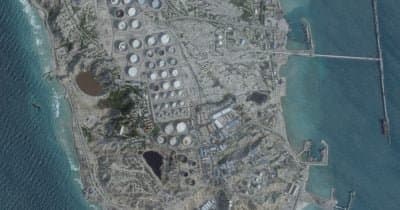
The recent military developments in Bahrain, where the air defense systems successfully intercepted Iranian missile and drone attacks, signal a critical escalation in the ongoing tensions within the Gulf region. This incident, occurring after a collapse of a ceasefire earlier in July, highlights the fragility of peace in an area historically marked by conflict.
Context of the Escalation
The attacks on Bahrain, which targeted key infrastructure, underscore the deteriorating relations between Iran and several Gulf states. The Bahraini Ministry of Defense's announcement highlights not just the immediate threat posed by these actions, but also the broader implications for regional security. Bahrain's response serves to reassure both civilian and military communities about the effectiveness of their defense capabilities amid rising hostilities.
Market Reactions and Implications
In the aftermath of this incident, prediction markets have begun to adjust their outlook on the likelihood of successful Iranian military actions against Gulf states. Observers noted a potential decrease in the perceived threat level from Iran, reflecting confidence in Bahrain's air defense systems. As market dynamics fluctuate, this incident may alter expectations regarding future military engagements in the region.
- Bahrain's air defense shows resilience against threats.
- Market perceptions of Iranian military effectiveness may decline.
- Regional stability remains precarious, influencing investor sentiment.
Furthermore, this event is likely to draw attention from international actors, particularly the United States, which has vested interests in Gulf security. Any shifts in military strategies or alliances could further impact market pricing and geopolitical stability.
Looking Ahead
It will be crucial for market participants to monitor further developments from both Bahrain and Iran, as well as any statements from U.S. military officials. Any escalation or diplomatic breakthroughs could significantly influence market expectations and pricing in the context of Gulf security. The region remains a focal point for geopolitical tensions, and ongoing monitoring will be essential for understanding potential impacts on global markets.
This material is informational and does not constitute financial advice.