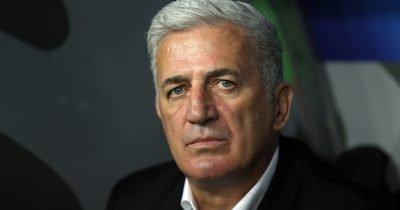
The recent predicament faced by the Algerian Football Association (FAF) in its struggle to part ways with coach Vladimir Petković sheds light on the complex financial landscape of international football. As negotiations unfold, they exemplify the challenges federations encounter when attempting to navigate contractual obligations and coach expectations in the aftermath of disappointing performances.
Since Algeria's exit from the 2026 FIFA World Cup, following a 2-0 defeat to Switzerland, the FAF has found itself in a financially precarious position. The desired separation is not merely a matter of dismissing a coach; it has evolved into a high-stakes negotiation over millions of euros, with both sides presenting contrasting interpretations of contractual agreements.
Petković's contract includes a mutual termination clause reportedly valued at €320,000. However, the coach contests this figure and instead demands between €4.5 million and €5 million to terminate his contract. This discrepancy highlights the gulf between contractual clauses and the practical realities often faced in such situations. Signed on February 29, 2024, his contract extension just before the World Cup provided him with significant leverage, especially after successfully guiding Algeria through the qualification stages.
The FAF's budgetary constraints add another layer of complexity to the situation. In an effort to resolve the matter, they have proposed a severance package equivalent to five or six months of Petković's salary, a sum that falls short of his expectations. This reflects a broader tension within the federation, caught between the desire to uphold its institutional pride and the financial implications of a high-profile coaching change.
Furthermore, the emotional weight of the loss to Switzerland cannot be understated; Petković faced his former team, which only amplifies the bitterness of the defeat. As a result, Petković has no incentive to resign voluntarily, as doing so would relinquish his right to compensation. The FAF, conversely, is unable to terminate his contract without incurring hefty financial repercussions.
The ongoing stalemate raises critical questions about the future of both the coaching staff and the federation’s financial health. This situation is not unique to Algeria; similar disputes have been noted in football associations globally, where the economics of coaching contracts often complicate managerial changes. As the negotiation drags on, it serves as a stark reminder of the intricate dynamics at play in international football, where pride, performance, and finance intersect in often unpredictable ways.
This material is informational and should not be considered financial advice.