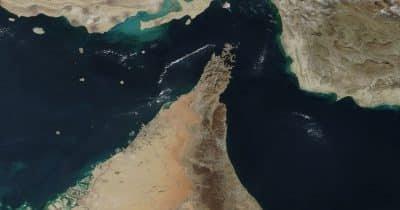
The recent announcement from President Trump regarding the consideration of reinstating a blockade on the Strait of Hormuz marks a significant escalation in U.S.-Iran tensions. This conflict, which has been characterized by a precarious ceasefire agreement signed in June 2026, now risks impacting civilian resources, notably Iran's desalination facilities. Such actions could signal a critical turning point in the geopolitical landscape of the Middle East, which has profound implications for global oil markets and security dynamics.
Why this Development is Crucial for Investors
Investors should be acutely aware of the ramifications this potential blockade could have on oil prices and trading strategies. Historically, the Strait of Hormuz is a vital chokepoint for global oil transportation, with approximately 20% of the world's oil supply transiting through this narrow waterway. Thus, any disruption in this region can lead to rapid fluctuations in crude oil prices, impacting economies and markets worldwide.
- Current prediction markets show a 44.5% probability of a U.S. blockade announcement by December 31, up from a previous estimate of 25%.
- Trump's remarks suggest a shift in U.S. strategy that might affect not only military assets but also civilian infrastructure.
- The escalation in U.S.-Iran military exchanges recently has raised market perceptions of a blockade becoming more likely.
Given the current geopolitical climate, market participants should monitor both the U.S. Central Command and State Department's communications, as these will likely provide essential insights into the evolving situation. Concurrently, statements from Iranian leadership could either exacerbate or mellow the mounting tensions. Developments in diplomatic talks or military activities in the vicinity may act as key indicators of shifts in this precarious status quo.
Future Outlook and Market Watchpoints
Moving forward, close attention should be paid to any official announcements regarding military movements or changes in U.S. policy towards Iran. This situation has the potential to create ripple effects across various financial markets, including energy and commodities. The possibility of heightened conflict in the region suggests that investors should remain vigilant and flexible in their strategies to mitigate risks.
This material is for informational purposes only and does not constitute financial advice.