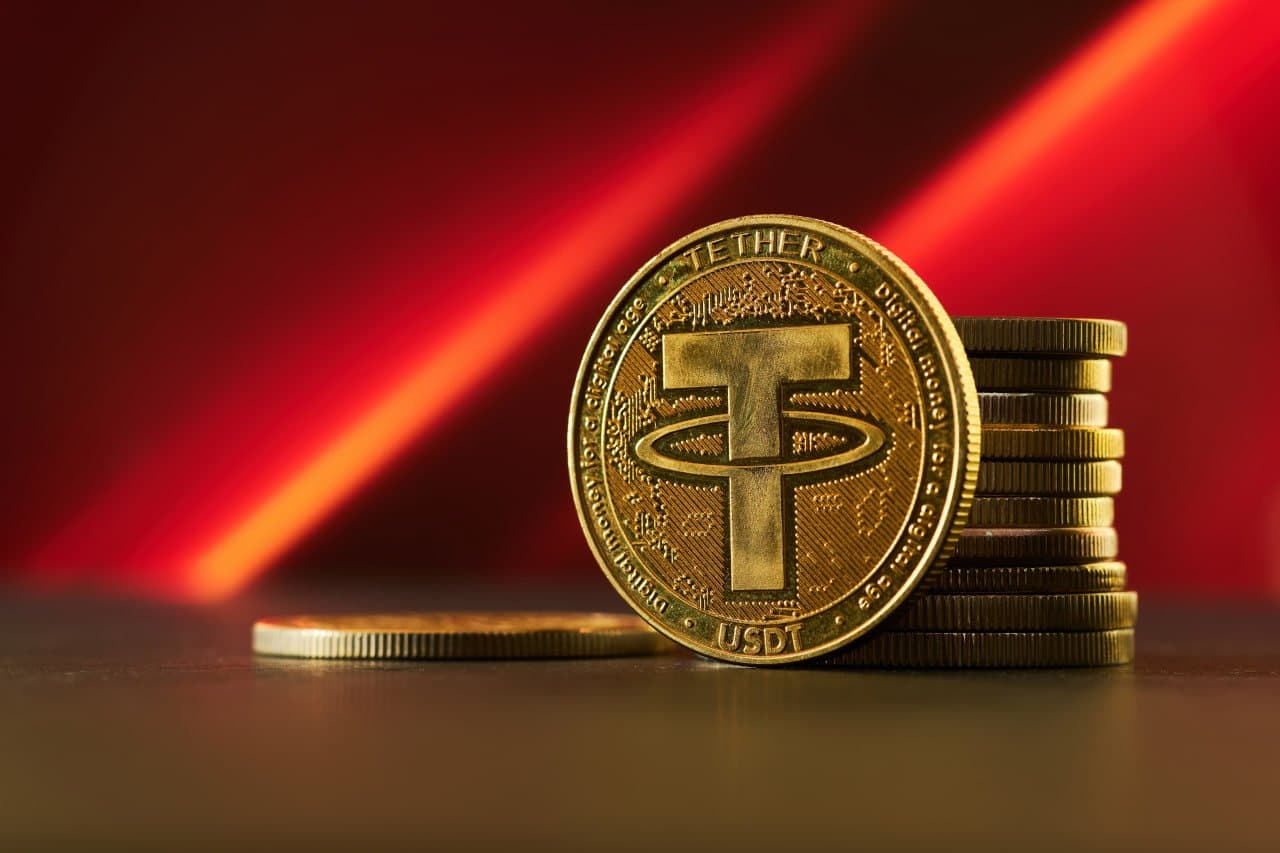
Bolivia is currently weighing the incorporation of Tether’s USDT stablecoin into its national payment system, allowing it to function alongside the boliviano and US dollars. This potential shift, articulated by Economy Minister José Gabriel Espinoza, signifies a noteworthy exploration into integrating digital assets within regulated financial frameworks.
While the proposal is still under scrutiny, with no definitive regulatory measures or implementation dates announced, the essence of this evaluation is rooted in addressing a pressing economic issue. Bolivia's access to foreign currency has diminished over the years, compelling citizens to seek alternatives. The Central Bank of Bolivia's recent report highlights that foreign-exchange reserves remain limited, posing challenges to the economy's external payment needs.
The Impact of Dollar Scarcity
The drive for stablecoin adoption burgeoned amidst systemic currency constraints. Following Bolivia's shift from a fixed exchange rate to a more flexible model, users found solace in USDT. With the ability to purchase a dollar-linked token, individuals can engage in digital transactions without physically accessing banknotes or relying on costly international transfers. The burgeoning activity is underscored by a remarkable increase in virtual-asset transaction value, which soared from $46.5 million in the first half of 2024 to an impressive $294 million in the same period of 2025 a staggering rise of over 630% within just one year.
This significant uptick indicates that the use of stablecoins, particularly USDT, has been primarily driven by individual users rather than corporate entities. This growth not only reflects a shift in consumer behavior but also highlights the growing integration of digital currencies into everyday transactions, providing greater financial flexibility and accessibility.
Bolivia's considerations represent both an opportunity and a challenge. While USDT can enhance access to digital dollars and streamline remittances, it will not alleviate Bolivia's foreign-exchange reserve limitations nor eliminate the inherent risks associated with the currency’s issuer. As the government navigates these uncharted waters, the direction they take could shape Bolivia's economic future significantly, possibly paving the way for a more synergistic relationship between traditional and digital currencies.
This article is for informational purposes only and should not be considered financial advice.