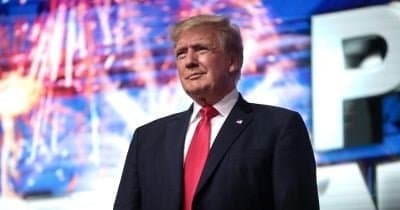
The United States Senate on July 23 rejected a resolution that would have placed limits on President Donald Trump's authority to conduct military operations against Iran. The vote reflects a Congress still deeply split along party lines on the question of who controls the decision to go to war, a debate that has dragged on for months without resolution.
The failed measure was part of a broader push by some legislators to reassert Congress's constitutional role in authorizing military force. Similar bills have bounced back and forth in recent sessions, occasionally scraping through the House only to stall in the Senate, or vice versa. This time the chamber rejected it outright, clearing the path for the current administration to continue its strategy in the region without fresh legislative constraints.
What the vote means on the ground
Trump's war powers over Iran remain intact. That means US Central Command retains operational flexibility, including the enforcement of the Iranian blockade that has been a flashpoint since the conflict escalated. No congressional timeline now binds the White House to seek fresh authorization before taking further action.
The vote landed while oil was already elevated on Iran tensions. Traders had been watching the Senate closely, and prediction markets had already started pricing in a lower chance of a near-term resolution to the blockade, with YES odds falling across multiple timeframes before the session even ended. As context, oil crossed $100 and Bitcoin slipped below $65,000 in an earlier wave of Iran-driven risk-off trading, a reminder of how directly this conflict bleeds into financial markets.
Iran has not yet issued a formal response to the Senate's decision. Any signal from Tehran, or a shift in how the US enforces the blockade, could quickly reprice assets again. For now the military and legal status quo holds.
Markets closed the session with the Iranian blockade resolution odds at their lowest point in weeks.